Wellness Travel Evolution: From Spas to Holistic Nature Retreats

Jake
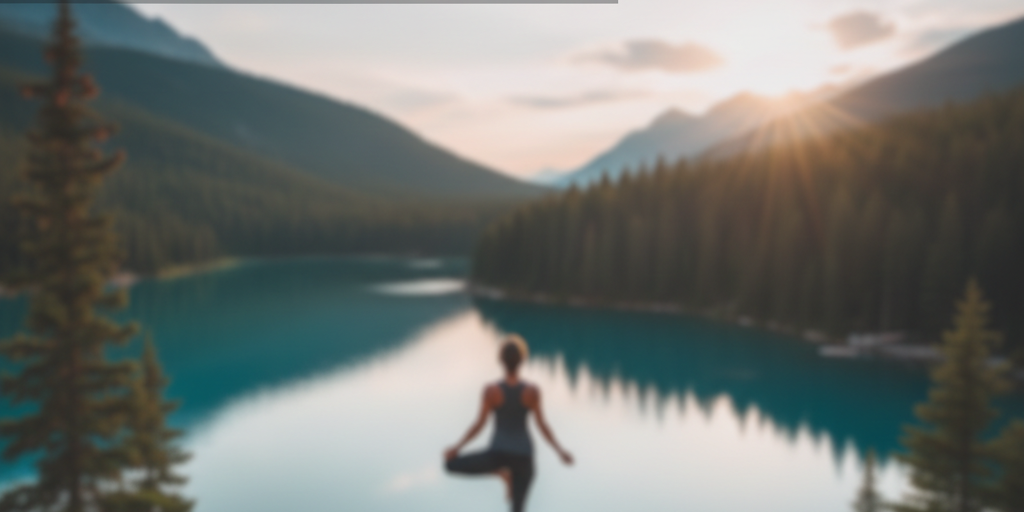

The landscape of wellness travel is shifting dramatically. What was once a simple escape to a luxurious spa for massages and facials has morphed into a comprehensive exploration of holistic well-being, often found in nature's embrace. As travelers seek deeper connections to themselves and the world around them, the industry adapts, offering experiences that nourish the body, mind, and spirit.
Historically, wellness travel revolved around pampering and relaxation. Travelers would flock to destinations known for luxury spas, eager for a weekend of indulgence. However, the modern traveler’s understanding of wellness has evolved. It's no longer just about feeling good physically but encompasses mental clarity, emotional resilience, and a sense of community.
Research indicates that today’s wellness travel encompasses a broader spectrum of experiences. Travelers are looking for retreats that focus on holistic well-being, integrating aspects like meditation, nutrition, and even community engagement. This evolution reflects a growing awareness of the interconnectedness of physical health, mental well-being, and social connections.
Nature is emerging as a central theme in wellness travel. Studies show that spending time outdoors can significantly improve mental and emotional health. The organic beauty of natural surroundings provides a backdrop for reflection and rejuvenation that traditional spa settings often lack.
Retreats set in serene environments—be it mountains, forests, or beaches—offer a variety of activities, from guided hikes to mindfulness sessions. This immersion in nature not only enhances physical health through activity but also promotes mental wellness by reducing stress and fostering a sense of peace. For example, programs that include forest bathing, a practice rooted in Japanese tradition, encourage participants to connect with their surroundings, leading to lower cortisol levels and increased feelings of well-being.
An intriguing aspect of wellness travel's evolution is its integration with local culture. Rather than isolating travelers in luxury resorts, many retreats now emphasize community connection. This shift allows participants to engage with the culture, traditions, and practices of the local population, fostering a deeper understanding and appreciation of the destination.
For instance, retreats in Bali may include traditional Balinese healing practices, while those in Mexico might offer workshops on local medicinal herbs and their uses. Such experiences enrich the traveler’s journey, creating a more profound sense of belonging and purpose.
Today’s travelers seek more than just a vacation; they desire transformative experiences. This demand is leading wellness travel companies to offer personalized programs tailored to individual needs and goals. Whether it’s addressing specific health concerns, personal growth, or spiritual development, these bespoke experiences resonate deeply with participants.
Innovative wellness offerings now often include one-on-one consultations with wellness coaches, nutritionists, and fitness experts. Such personalized attention ensures that travelers leave with actionable insights and practices they can incorporate into their daily lives, fostering lasting change rather than fleeting moments of relaxation.
The evolution of wellness travel signifies more than just a changing industry; it reflects a societal shift towards prioritizing mental health, emotional well-being, and holistic living. As travelers increasingly seek out nature-based and culturally immersive experiences, the industry must continue to innovate and adapt.
For those planning their next getaway, consider stepping away from the traditional spa experience. Embrace the opportunity to connect with nature and community, and allow the journey to transform not just where you go, but who you are. After all, in the quest for wellness, the destination is just as important as the journey.
The best movies are the ones that make us long for other lives and embrace the journeys of characters we’ve only just met. When you sit down to watch a movie, you are getting ready to have an experience, and this is something that depends largely on the type of movie you watch...

Whenever we go on vacation, we seem to spend hours in airports. We’re always advised to get there well in advance so that we don’t end up running late, but that usually just means we’re sitting around for ages. It doesn’t help that our flights always seem to be late too....
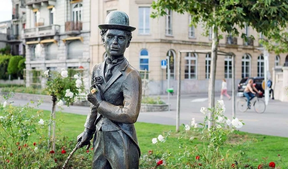
Charlie Chaplin was one of the greatest screen presences in motion picture history. The actor starred in more than 80 films, in a career spanning close to 75 years...