Astro-Tourism Surge: Chasing Dark Skies and Starlit Adventures

Jake
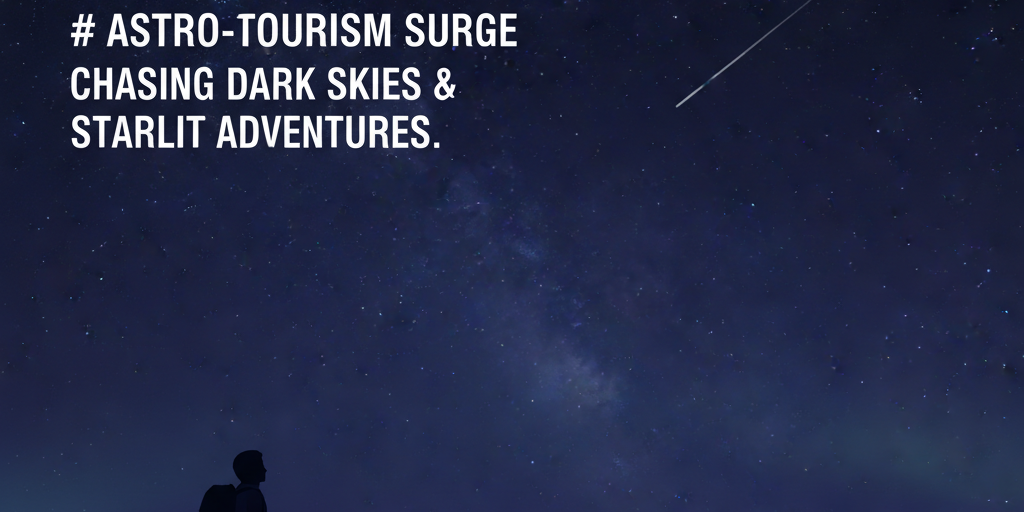

Stargazing has evolved from a pastime of solitary wonder into a booming travel industry. As cities expand and light pollution intensifies, more travelers are seeking out dark skies for a glimpse of the cosmos. This growing trend, known as astro-tourism, invites adventurers to escape the urban sprawl and immerse themselves in the serenity of starlit nights.
For centuries, humans have gazed at the stars, drawing inspiration from the night sky. The constellations served as navigational aids and muses for stories and myths. Today, the allure of the cosmos has transformed into a lucrative sector of tourism. According to the International Dark-Sky Association, interest in astro-tourism is becoming a significant motivator for travel, especially among younger generations.
A recent survey indicated that over 70% of millennials express a desire to experience dark skies, particularly during celestial events like the Perseid meteor shower or the upcoming total solar eclipse. This passion for cosmic phenomena has led to a surge in bookings for remote destinations known for their minimal light pollution.
Destinations like the Atacama Desert in Chile, the Canadian Rockies, and the remote islands of Hawaii have become hotspots for astro-tourists. These locations boast some of the clearest skies in the world, attracting astronomers and stargazers alike. Dark Sky Parks, such as those in Scotland and the United States, offer not just pristine views but also a variety of organized events.
Visitors can attend night sky talks, participate in telescope viewings, and engage in guided tours led by local astronomers. For instance, the Flagstaff Dark Sky Coalition in Arizona promotes its status as the world’s first International Dark Sky City, hosting events to educate the public about light pollution and its impact on wildlife and human health.
Technology plays a pivotal role in enhancing the astro-tourism experience. Mobile apps like SkySafari and Star Walk allow travelers to identify stars, planets, and constellations in real-time. This interactive aspect adds a layer of engagement, turning stargazing into an educational experience. Travelers can point their phones at the sky and instantly learn about celestial bodies and their significance.
Moreover, virtual reality experiences and astronomy-themed podcasts are also gaining traction, providing additional resources for astro-tourists eager to deepen their knowledge. These technological advancements make the sky more accessible, transforming stargazing into an adventure that blends learning with leisure.
Astro-tourism is not just about wonder; it also has significant economic implications for local communities. As travelers flock to dark sky destinations, local businesses benefit from increased foot traffic. Hotels, restaurants, and tour companies report a boost in revenue during peak celestial events.
For example, the town of McDonald Observatory in Texas has seen a remarkable uptick in visitors due to its star parties and educational programs. Local shops have capitalized on this influx by selling astronomy-related merchandise, further driving economic growth.
As astro-tourism grows, there is a pressing need to balance tourism with sustainability. Communities are adopting measures to protect their dark skies from encroaching light pollution. Initiatives include promoting the use of low-impact lighting and educating visitors on the importance of preserving natural nightscapes.
Sustainable astro-tourism not only safeguards the environment but also enriches the experience for travelers. By fostering a sense of stewardship, visitors leave with a deeper appreciation for the cosmos and a commitment to protecting it.
The surge in astro-tourism reflects a profound human connection to the cosmos. As travelers chase dark skies and starlit adventures, they rekindle an age-old relationship with the universe. This trend opens doors for economic growth while emphasizing the importance of sustainability. For those yearning for a celestial escape, the universe awaits—just beyond the glare of city lights. The stars, after all, have always been our ultimate guide.

The best movies are the ones that make us long for other lives and embrace the journeys of characters we’ve only just met. When you sit down to watch a movie, you are getting ready to have an experience, and this is something that depends largely on the type of movie you watch...

Whenever we go on vacation, we seem to spend hours in airports. We’re always advised to get there well in advance so that we don’t end up running late, but that usually just means we’re sitting around for ages. It doesn’t help that our flights always seem to be late too....

Charlie Chaplin was one of the greatest screen presences in motion picture history. The actor starred in more than 80 films, in a career spanning close to 75 years...