Indigenous-Led Tours: Authentic Cultural Experiences Worldwide

Jake
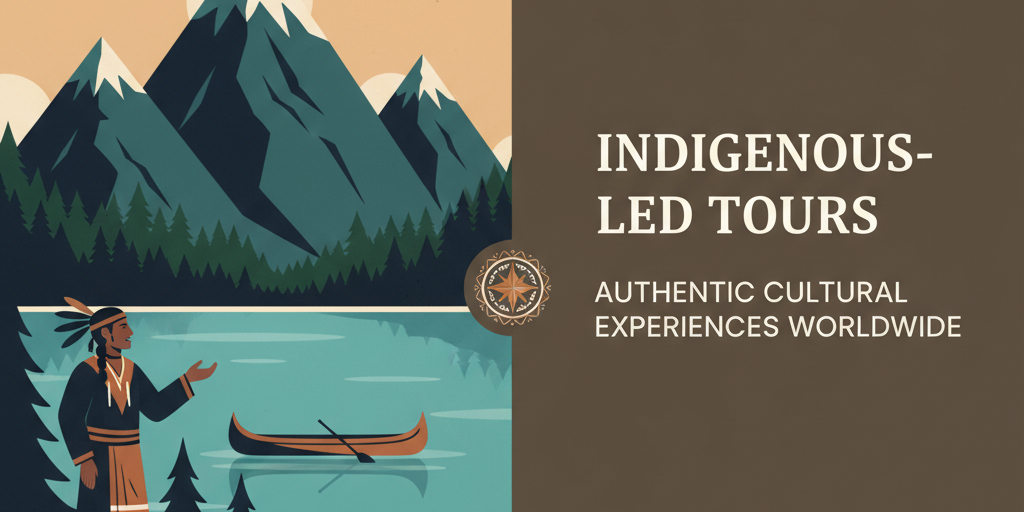

Imagine standing at the edge of a pristine lake, surrounded by towering mountains blanketed in ancient forests, as a member of an Indigenous community shares stories passed down through generations. Indigenous-led tours offer travelers the unique opportunity to immerse themselves in authentic cultural experiences, gaining insight into the rich traditions and timeless wisdom of Indigenous peoples around the globe.
Indigenous-led tours transcend typical travel experiences. They invite visitors to step into a world where history is alive, narrated by those who have lived it. This is not just a canoe ride or a hike to find medicinal plants; it’s an invitation to see the land through a cultural lens. Travelers learn the significance of specific plants, the stories of the land, and even the songs that echo through the forests.
For instance, in British Columbia, Indigenous guides lead eco-tours that reveal the ecological intricacies of their traditional territories. Their stories about salmon runs and forest management practices highlight sustainable living that has been honed over thousands of years. These interactions deepen visitors' appreciation for nature and its interconnectedness, fostering a desire to protect it.
One of the most profound aspects of Indigenous-led tours is the chance for genuine cultural immersion. Visitors often participate in traditional activities, such as weaving, drumming, or cooking Indigenous meals. These hands-on experiences break down barriers and create bonds that go beyond mere observation.
A tour in the Australian Outback might include a night around the campfire, where Aboriginal elders share Dreamtime stories, revealing the spiritual connection to the land. Participants leave with a deeper understanding of the cultural significance of the landscape and the people who have called it home for millennia.
Indigenous-led tourism is not just about enriching the traveler’s experience; it’s also a powerful tool for sustainability and economic development. Many Indigenous communities prioritize eco-friendly practices and ensure that tourism benefits the local environment and economy.
For example, in New Zealand, Maori-led eco-tours focus on conservation and cultural education. By guiding visitors through their lands, they promote sustainable practices while generating income that supports community initiatives. This model empowers communities to preserve their heritage and language while fostering economic independence.
Participating in Indigenous-led tours allows travelers to challenge preconceived notions about Indigenous peoples. These experiences offer a more nuanced perspective, showcasing contemporary Indigenous life alongside traditional practices.
In Canada, for instance, many Indigenous tourism initiatives highlight the dynamic nature of Indigenous cultures, debunking myths of a static past. Visitors witness thriving communities, innovative art, and contemporary issues faced by Indigenous peoples today. This firsthand experience fosters empathy, understanding, and a commitment to allyship.
Indigenous-led tours are more than just travel experiences; they are pathways to understanding and connection. By engaging with Indigenous communities, travelers gain insights into rich cultures, sustainable practices, and the challenges that these communities face.
As tourism continues to evolve, embracing Indigenous-led experiences can change the narrative, promote respect for diverse cultures, and create economic opportunities for Indigenous peoples. Next time you plan your travels, consider stepping off the beaten path and into the heart of a culture that has thrived for generations. The rewards are immeasurable, both for the traveler and the communities welcoming them.
The best movies are the ones that make us long for other lives and embrace the journeys of characters we’ve only just met. When you sit down to watch a movie, you are getting ready to have an experience, and this is something that depends largely on the type of movie you watch...

Whenever we go on vacation, we seem to spend hours in airports. We’re always advised to get there well in advance so that we don’t end up running late, but that usually just means we’re sitting around for ages. It doesn’t help that our flights always seem to be late too....

Charlie Chaplin was one of the greatest screen presences in motion picture history. The actor starred in more than 80 films, in a career spanning close to 75 years...