Latin America Revival: Top Emerging Hotspots for 2026

Jake
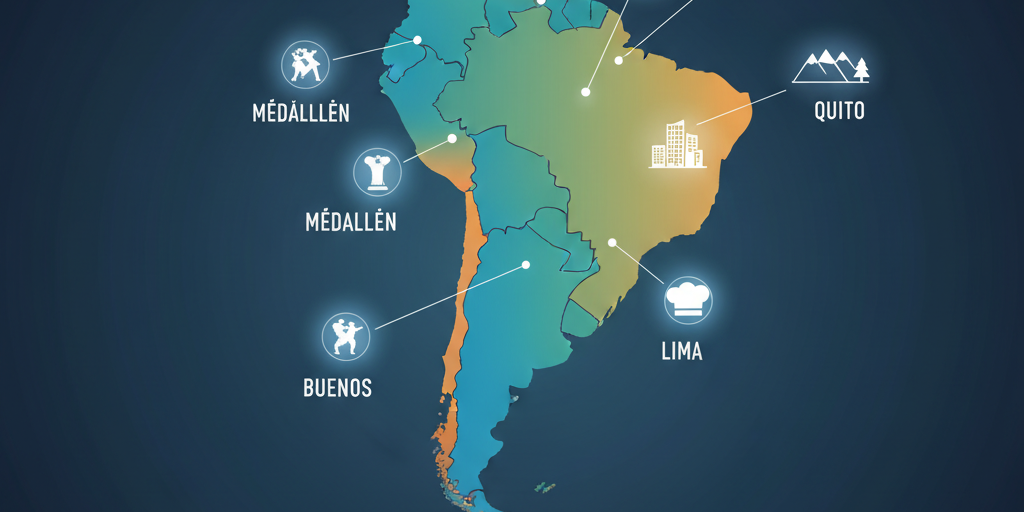

Latin America is poised for a renaissance. With its rich resources, diverse cultures, and emerging economies, the region is becoming a focal point for investment and innovation. As we look to 2026, several cities stand out as potential hotspots for growth and development.
Santiago is not just the capital of Chile; it’s becoming a beacon for technology and innovation in Latin America. The city has invested heavily in its tech infrastructure, becoming home to numerous startups and incubators. The Chilean government supports this growth with policies aimed at fostering entrepreneurship, including tax incentives for tech companies. Major players like Google and Facebook have established offices here, signaling a trend that aligns with the global tech movement.
Medellín's transformation is remarkable. Once notorious for violence, it has evolved into a leader in sustainability and urban planning. The city's innovative projects, such as the Metrocable, connect marginalized communities to the city's resources, illustrating a commitment to inclusivity. Medellín's focus on green spaces and public transport has set a benchmark for other cities in the region. International awards for urban innovation have further solidified its reputation as a model for sustainable development.
Buenos Aires, often nicknamed the "Paris of South America," remains a cultural powerhouse. Its thriving art scene, rich history, and dynamic nightlife continue to attract tourists and expatriates. The city is also gaining traction in the creative industries, especially in film and music. With film festivals and cultural events like the Buenos Aires International Festival of Independent Cinema, the city is positioning itself as a center for artistic expression and innovation.
Lima has rapidly emerged as a culinary hotspot, with its restaurants frequently ranked among the best in the world. The city is celebrated for its fusion of traditional Peruvian ingredients with global influences. Renowned chefs like Gastón Acurio have put Peruvian cuisine on the map, attracting food enthusiasts from around the globe. This gastronomic revolution not only boosts tourism but also elevates local farmers and producers, creating a sustainable food ecosystem.
Mexico City is cementing its status as a financial leader in Latin America. With a burgeoning fintech sector, it offers numerous opportunities for investment and growth. The city's vibrant startup scene is supported by a robust network of accelerators and incubators. Companies like Clip and Konfío are revolutionizing how financial services are accessed, especially for small and medium-sized enterprises. As regulations evolve to support fintech innovation, Mexico City is likely to remain a key player in the financial landscape.
São Paulo, Brazil’s largest city, is in the midst of a transformation focused on sustainability and smart city initiatives. The city is investing in technology to improve urban living, including smart traffic management systems and renewable energy projects. São Paulo's diverse economy is adapting to global trends, with an emphasis on innovation that attracts international investors. As the city continues to evolve, it may become a model for urban development in emerging markets.
Quito is often overlooked, but its potential for ecotourism is immense. Nestled in the Andes, the city offers breathtaking landscapes and rich biodiversity. As global awareness of environmental issues rises, Quito's commitment to sustainable tourism practices positions it well for the future. The city is promoting eco-friendly travel experiences, from hiking to exploring its unique flora and fauna, appealing to environmentally-conscious travelers seeking authentic experiences.
As Latin America gears up for 2026, the revival of its cities is not just about economic growth; it's about cultural richness and sustainable development. The spotlight is on cities like Santiago, Medellín, Buenos Aires, Lima, Mexico City, São Paulo, and Quito. Their unique offerings—whether in technology, culture, cuisine, finance, or ecotourism—are paving the way for a vibrant and innovative future. The challenge remains: can these emerging hotspots capitalize on their potential to create lasting change? The world will be watching closely.

The best movies are the ones that make us long for other lives and embrace the journeys of characters we’ve only just met. When you sit down to watch a movie, you are getting ready to have an experience, and this is something that depends largely on the type of movie you watch...

Whenever we go on vacation, we seem to spend hours in airports. We’re always advised to get there well in advance so that we don’t end up running late, but that usually just means we’re sitting around for ages. It doesn’t help that our flights always seem to be late too....

Charlie Chaplin was one of the greatest screen presences in motion picture history. The actor starred in more than 80 films, in a career spanning close to 75 years...