How Some Songs, Films, and Books Stay With Us Forever
M
Maggie Garza
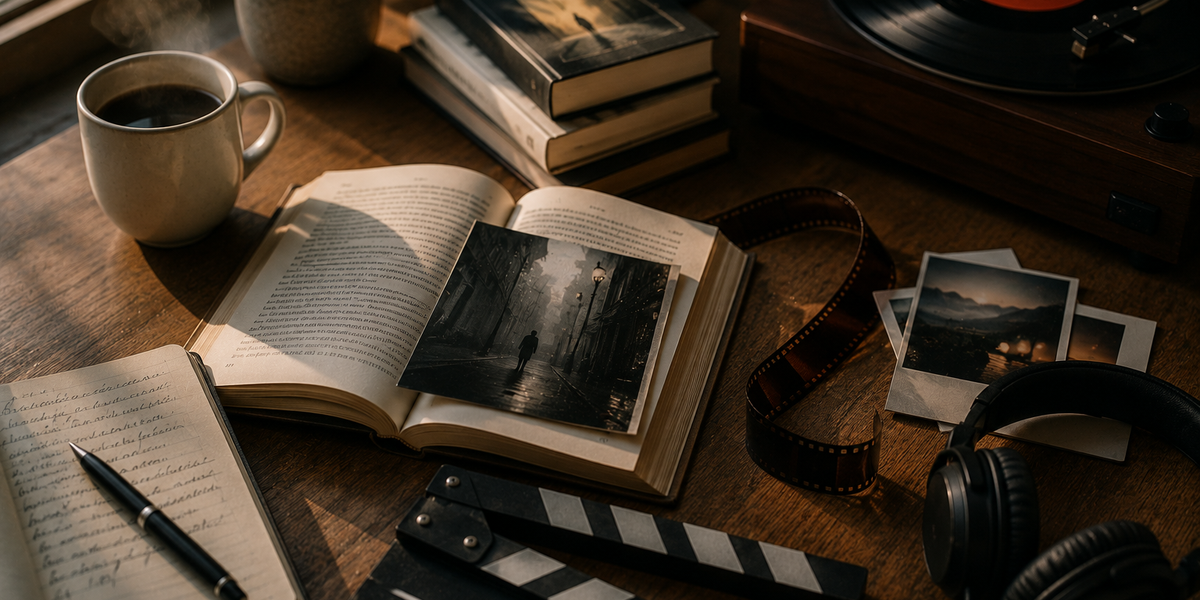

There are songs you hear once and forget before they finish. Films you enjoy and never think about again. Books that keep you interested for 300 pages and somehow disappear from your mind the moment you close them.
Then there are the others.
A song plays in a café and suddenly you are 17 again. A scene from a film returns to you years after you watched it. You remember exactly where you were when you read a particular book, right down to the room, the weather, or the person you were becoming at the time.
The art that stays with us is not always the art critics consider the greatest. Sometimes it reaches us because of quality. Sometimes because of timing. Usually, it is some mysterious combination of the two.
Music may be the clearest example.
A song can become permanently connected to a summer, relationship, road trip, breakup, friendship, or period of change. Years later, hearing the opening notes can bring back details you had not consciously thought about in ages.
The song has become more than a song. It is now attached to autobiographical memory.
Books and films can work similarly. You might remember reading a particular novel during your first year away from home or watching the same movie repeatedly with someone you loved.
This is why recommendations can be unpredictable. Someone can tell you a film changed their life, and you watch it and think, “That was fine.”
Maybe you simply met it at the wrong time.
Some stories find us exactly when we need them.
A coming-of-age novel can feel enormous when you are coming of age yourself. A film about parenthood may suddenly become more affecting after you have children. A song about loss can sound completely different once you understand the experience behind it.
The work has not changed. You have.
This is also why returning to something years later can be surprising. A character you once identified with might now frustrate you. A parent you barely noticed on the first viewing suddenly becomes the most interesting person in the film.
Great art often contains enough complexity to wait for us to catch up with it.
Sometimes a book, song, or film stays with us because it articulates something we had felt but never managed to put into words.
That recognition can be powerful.
A lyric describes a particular kind of loneliness. A character behaves in a way that suddenly makes your own experience feel understandable. A novelist captures an emotion you thought was too specific to belong to anyone else.
The moment creates a strange feeling of being recognized by something that does not know you exist.
This may be one reason people become protective of the art they love. It is not simply entertainment anymore. It helped them understand something about themselves.
Criticizing it can almost feel personal because, in some small way, it has become personal.
The things we love most are not necessarily flawless.
A technically perfect song can leave us cold while a slightly rough recording becomes something we play for decades. A film can have uneven pacing and still contain one scene we never forget. A novel can frustrate us and remain more memorable than dozens of books we enjoyed without reservation.
Memorability is not the same as perfection.
Sometimes a strange choice, unresolved ending, unusual voice, or uncomfortable moment is precisely what prevents a work from becoming interchangeable with everything else.
Art that stays with us often leaves something unfinished in our minds.
We continue thinking about it because it did not explain everything.
The songs we repeatedly play and stories we repeatedly return to gradually become familiar territory.
You know when the drumbeat is about to begin. You can anticipate the next line of dialogue. You recognize the paragraph before consciously remembering the words.
Familiarity can create comfort.
This is why people rewatch the same television series when they are stressed or reread favorite novels despite having shelves full of unread books. There is pleasure in knowing what comes next.
Over time, our favorite art can also become part of how we describe ourselves. We have “our” bands, “our” movies, “our” books.
They become cultural shorthand for particular versions of who we are.
A song can acquire another layer of meaning when someone sends it to you. A film becomes associated with the person beside you when you first watched it. A parent reads a childhood favorite to their own child and suddenly experiences the story from the opposite side.
Art collects people.
Sometimes that makes it more meaningful. Sometimes it makes something difficult to return to after a relationship or friendship ends.
But even then, the connection reveals how deeply art becomes intertwined with ordinary life.
We rarely consume stories and music in isolation from everything else happening around us. They become part of those experiences.
It would be easy to explain all enduring favorites as nostalgia.
Certainly, nostalgia matters. The songs we loved when we were younger often carry an emotional intensity that newer music struggles to reproduce.
But nostalgia cannot explain everything.
We still encounter new books, films, and songs that immediately feel important. Sometimes you know before something has even ended that you will return to it.
Certain works simply contain ideas, emotions, performances, images, or melodies that resist being forgotten.
And when genuine artistic power meets the right person at the right moment, the connection can last for decades.
Eventually, the art that stays with us becomes a kind of personal archive.
One album belongs to university. Another belongs to a particular summer. A novel belongs to the year everything changed. A movie belongs to Sunday afternoons with someone who may no longer be around.
Returning to them allows us to briefly revisit earlier versions of ourselves.
That may be why certain songs, films, and books feel almost immortal. They do not simply remind us of fictional characters, melodies, or stories.
They remind us where we were, who we loved, what we wanted, and who we used to be.
Sometimes we return to art because it is beautiful.
And sometimes we return because a small piece of our own life is still living inside it.

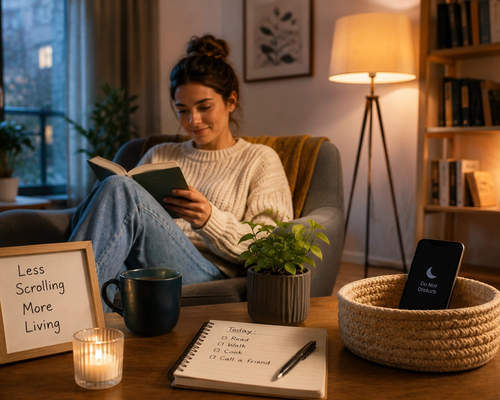
Attention rarely feels important while we are giving it away. We glance at a notification during dinner. We half-listen to someone while thinking about what we need to do next. We watch a film while checking our phones, walk through familiar streets without noticing them, and finish entire days unable to remember much of what actually happened.
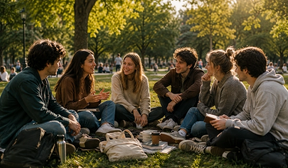
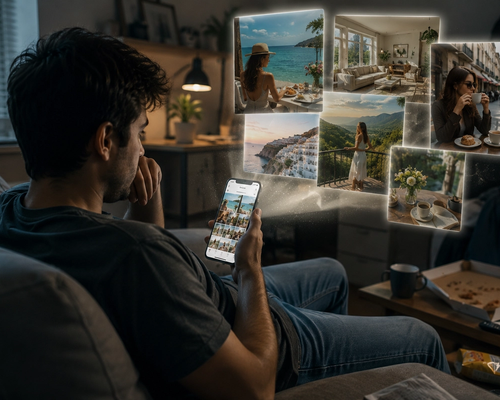
We have become very good at recognizing lives that look interesting. They involve constant travel, impressive jobs, beautiful homes, busy social calendars, ambitious projects, expensive restaurants, dramatic announcements, and enough photographs to prove all of it happened. Online, an interesting life can start to resemble a continuous highlight reel.
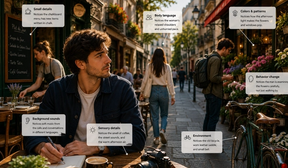
Some people seem to move through the world with a different level of resolution. They notice when someone has changed their hair slightly. They remember the name of the waiter from a restaurant they visited months ago. They spot an unusual building on a street everyone else has walked down a hundred times. They can tell when a friend’s mood has shifted before the friend says anything.

Sometimes you arrive somewhere completely unfamiliar and feel strangely at ease. You do not know the streets. You have no memories attached to the buildings. You may not even speak the language. Yet within a few hours, something about the place feels comfortable. You can imagine having a favorite café there, knowing which market to visit on Saturday, or walking the same route home every evening.
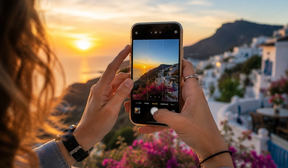
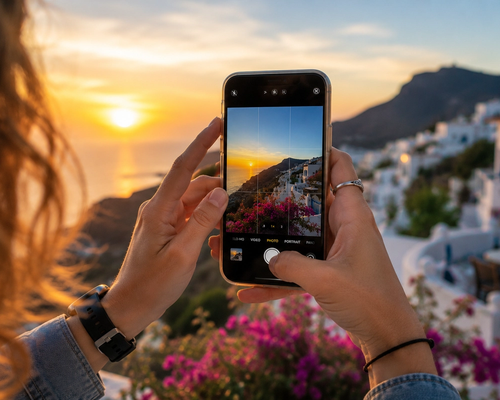
You do not need an expensive camera to take photographs worth keeping. The phone already in your pocket is capable of producing remarkably good images—and, more importantly, it is probably the camera you actually have with you when something worth photographing happens.

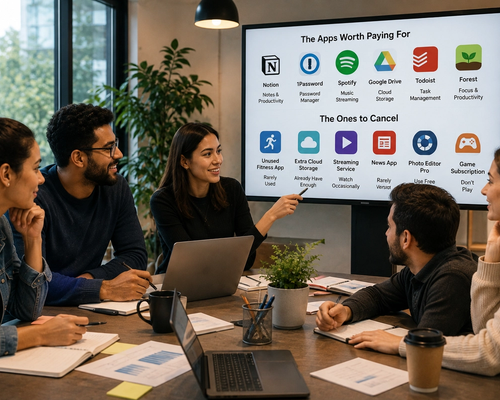
The internet is not something most of us can—or particularly want to—quit. We work online. We make plans through messages. We use maps, banking apps, calendars, news sites, music, podcasts, and group chats. Our phones contain genuinely useful tools alongside the apps that somehow turn five spare minutes into 45.