Why Some Corners of the World Feel Like Home the Moment You Arrive
G
Gilbert Ellis
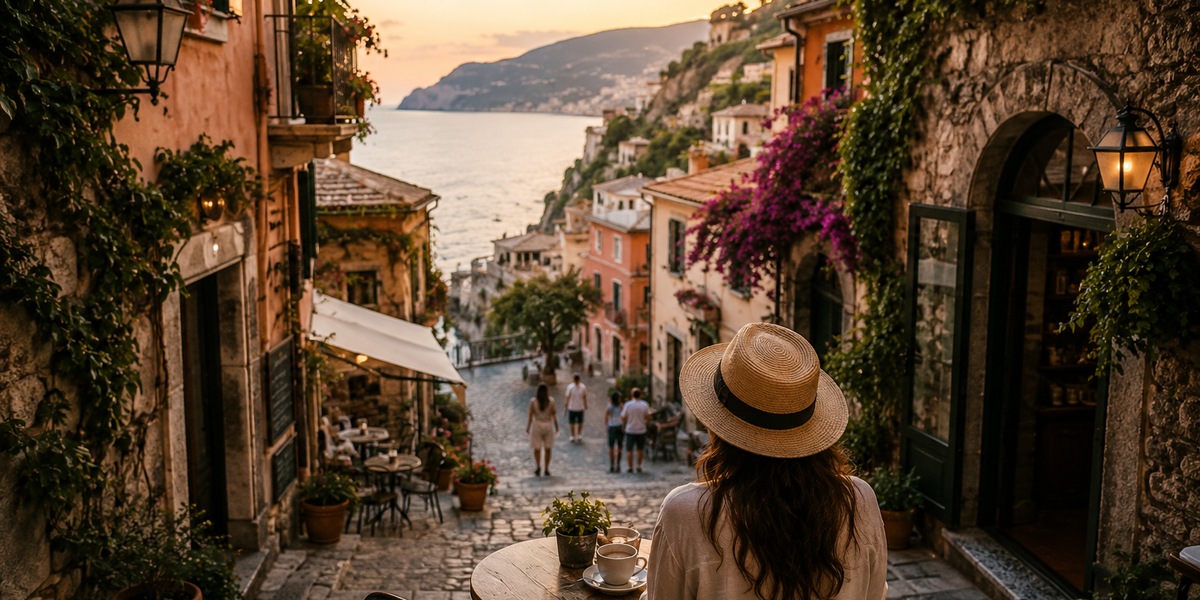

Sometimes you arrive somewhere completely unfamiliar and feel strangely at ease.
You do not know the streets. You have no memories attached to the buildings. You may not even speak the language. Yet within a few hours, something about the place feels comfortable. You can imagine having a favorite café there, knowing which market to visit on Saturday, or walking the same route home every evening.
Other destinations can be spectacular without producing that feeling at all. You admire them, photograph them, and enjoy visiting them, but you never imagine belonging there.
That instant sense of connection can feel mysterious, but it is rarely about one thing. Usually, a place happens to match something in us: our preferred pace, landscape, social atmosphere, memories, or idea of what everyday life should feel like.
Every place has a rhythm.
Some cities seem to begin before sunrise. Others come alive after dark. In some places, people eat quickly and move constantly. Elsewhere, lunch stretches into the afternoon and nobody seems particularly concerned about it.
We notice these rhythms almost immediately.
A place can feel comfortable when its natural pace resembles our own. Someone who loves activity may feel energized by crowded streets, late-night restaurants, and constant movement. Someone else might immediately relax in a town where shops close early and mornings begin quietly.
Neither rhythm is objectively better.
The interesting part is how quickly your body seems to recognize the difference.
Sometimes feeling at home simply means you no longer feel as though you are moving at the wrong speed.
Certain landscapes produce an almost emotional recognition.
Mountains may remind you of childhood. The smell of the sea can bring back summers you had nearly forgotten. Dry hills, dense forests, stone houses, or even the particular quality of afternoon light can resemble somewhere important from your past.
The connection does not have to be obvious.
You may love a place without consciously realizing that its narrow streets resemble your grandparents’ neighborhood or that its coastline feels similar to somewhere your family visited years ago.
Our memories contain enormous amounts of sensory information.
Sometimes a new place accidentally presses the right combination of buttons.
The result is the peculiar feeling of missing somewhere you have only just discovered.
Beautiful places are not always places we want to live.
A dramatic resort can be wonderful for four days while feeling completely impractical for ordinary life. Meanwhile, a less spectacular city may immediately make you wonder what apartments cost.
The difference is often the everyday details.
You notice people buying bread in the morning. Children play in a square. Someone cycles home carrying groceries. Cafés are busy without feeling frantic. Parks are actually being used rather than simply photographed.
Suddenly, you are not imagining yourself as a visitor.
You are imagining a Tuesday.
That is a very different kind of attraction.
When a destination makes ordinary life look good, it can create a stronger emotional connection than even the most extraordinary landmark.
Home is partly built from repetition.
You know which floorboard makes noise, where the good coffee is, which supermarket stays open late, and how long it takes to walk somewhere without checking a map.
Travel normally removes that familiarity.
But occasionally, a destination becomes understandable very quickly.
You visit the same café two mornings in a row. The person working there recognizes you. You learn the route between your accommodation and the center. You discover which bakery you prefer.
Within a few days, tiny routines begin forming.
That is one reason staying longer in one destination can feel so different from moving every two nights.
Familiarity has time to appear.
Sometimes what feels like a connection to a destination is really a connection to the people we encountered there.
A kind hotel owner, a funny waiter, a conversation with someone on a train, or an unexpectedly welcoming group can completely change how we remember somewhere.
Human warmth makes unfamiliar places feel safer.
This is also why returning somewhere can be complicated. You may revisit a city you once loved and discover that it does not produce exactly the same feeling.
The buildings are still there.
But the people, circumstances, and version of yourself who experienced them have changed.
We rarely fall in love with geography alone.
Timing matters more than travel guides acknowledge.
The same destination can feel completely different depending on when you encounter it.
A quiet island might feel boring when you are 20 and perfect when you are 35. A chaotic city might energize you during one chapter of life and overwhelm you during another.
Sometimes a place feels like home because it offers exactly what you are craving at that moment.
Space. Energy. Warmth. Anonymity. Community. Nature. Possibility.
We assume we are evaluating the destination, but we are also discovering something about ourselves.
The places we love can reveal what we currently need.
Travel allows us to temporarily step outside our normal identity.
At home, routines are already established. People know us. Responsibilities have their usual shape.
Somewhere new, there is room to imagine a slightly different life.
Maybe you walk everywhere. You spend more time outside. You eat dinner later. You read in cafés. You dress differently. You speak to strangers more often.
Of course, vacation life is not ordinary life. Moving somewhere would eventually involve bills, laundry, work, appointments, and taking out the rubbish.
But the feeling can still reveal something useful.
Perhaps the place is showing you habits or priorities you would like to bring home.
Travel has a wonderful ability to hide administrative reality.
A charming town can have limited employment. A beautiful island may become difficult in winter. A city that feels exciting for two weeks might become exhausting after two years.
You can love somewhere without needing to turn that feeling into a life plan.
Sometimes a place belongs in your life precisely as somewhere you return to.
A familiar hotel. The restaurant you visit every time. The street you always walk on the first evening.
Not every connection needs to become permanent.
We usually think of home as somewhere familiarity develops slowly.
You live there, create routines, build relationships, collect memories, and eventually the place becomes yours.
But occasionally the process seems to happen backward.
First comes the feeling.
Then you begin searching for reasons.
Maybe it is the landscape, the pace, the people, the weather, the architecture, or some half-remembered connection you cannot quite explain.
Whatever causes it, the experience is one of travel’s great surprises.
You arrive as a stranger and, for reasons you may never completely understand, something in you relaxes.
You do not know the place yet.
But somehow, it already feels like you do.

Attention rarely feels important while we are giving it away. We glance at a notification during dinner. We half-listen to someone while thinking about what we need to do next. We watch a film while checking our phones, walk through familiar streets without noticing them, and finish entire days unable to remember much of what actually happened.

We have become very good at recognizing lives that look interesting. They involve constant travel, impressive jobs, beautiful homes, busy social calendars, ambitious projects, expensive restaurants, dramatic announcements, and enough photographs to prove all of it happened. Online, an interesting life can start to resemble a continuous highlight reel.
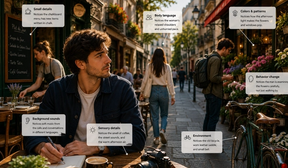
Some people seem to move through the world with a different level of resolution. They notice when someone has changed their hair slightly. They remember the name of the waiter from a restaurant they visited months ago. They spot an unusual building on a street everyone else has walked down a hundred times. They can tell when a friend’s mood has shifted before the friend says anything.
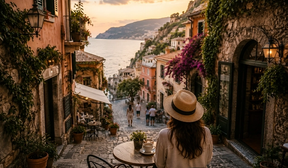
Sometimes you arrive somewhere completely unfamiliar and feel strangely at ease. You do not know the streets. You have no memories attached to the buildings. You may not even speak the language. Yet within a few hours, something about the place feels comfortable. You can imagine having a favorite café there, knowing which market to visit on Saturday, or walking the same route home every evening.
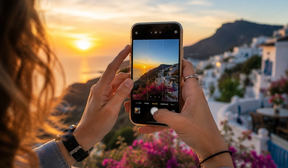
You do not need an expensive camera to take photographs worth keeping. The phone already in your pocket is capable of producing remarkably good images—and, more importantly, it is probably the camera you actually have with you when something worth photographing happens.

The internet is not something most of us can—or particularly want to—quit. We work online. We make plans through messages. We use maps, banking apps, calendars, news sites, music, podcasts, and group chats. Our phones contain genuinely useful tools alongside the apps that somehow turn five spare minutes into 45.