Why the World Feels Faster Than Ever (And What to Do About It)
M
Maggie Garza
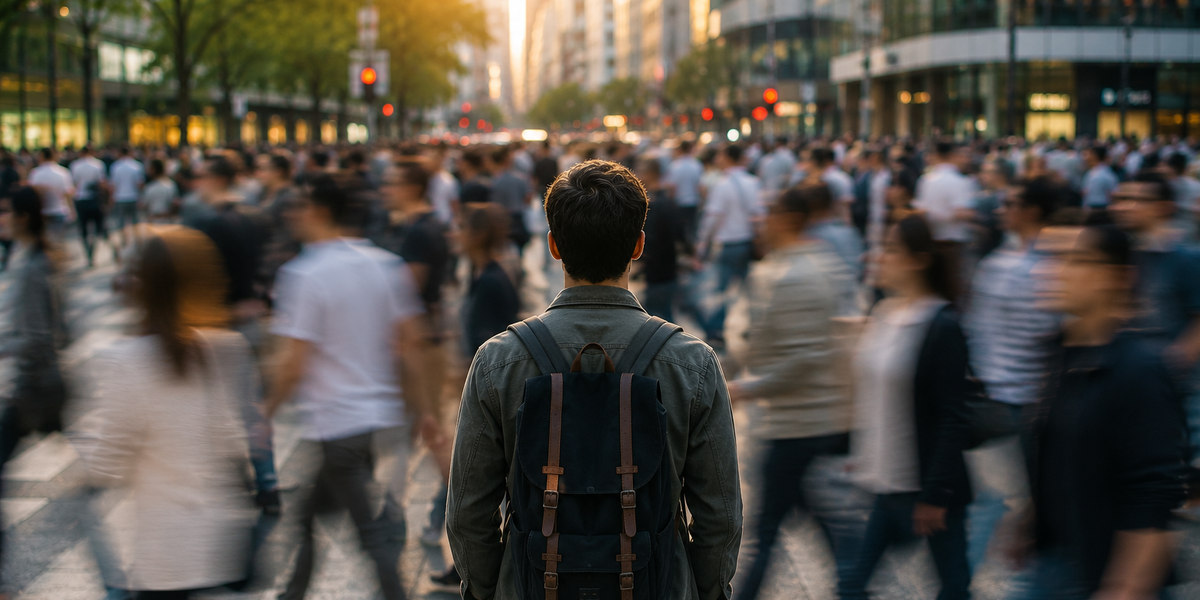

Life has always been busy, but modern life has developed a particular kind of speed.
Messages arrive while we are answering other messages. News changes between breakfast and lunch. Trends appear, become unavoidable, and disappear before we understand why everyone was talking about them. A package can arrive tomorrow, a film can start instantly, and a question that once required research can be answered in seconds.
None of these things is inherently bad. Much of modern speed is incredibly useful.
The problem is that once everything can happen quickly, we begin to feel as though everything should.
We expect immediate replies, rapid results, constant updates, and maximum efficiency. Eventually, even ordinary life can start to feel like something we are perpetually trying to catch up with.
Not long ago, daily life contained more unavoidable waiting.
You waited for photographs to be developed, for someone to return your call, for a television show to air, for a shop to open, or for information to arrive.
Technology removed many of those delays, usually for the better. But it also removed the pauses that came with them.
Now almost every empty moment can be filled immediately. Waiting for the bus becomes time to check email. Standing in a queue becomes an opportunity to scroll. A quiet evening can contain messages, videos, news, shopping, entertainment, and work simultaneously.
We gained convenience, but we also lost some of the natural boundaries that once separated one activity from another.
Without those pauses, the day can begin to feel like one continuous stream of input.
Modern technology does not simply provide information. Much of it actively asks us to look.
Notifications appear. Headlines promise breaking developments. Apps display badges reminding us that something is waiting. Group chats accumulate unread messages.
The result is a strange sense that something is always happening somewhere else.
Even during calm moments, your phone can instantly provide evidence that the world is moving without you.
This creates urgency where very little may actually exist.
A message feels as though it requires an immediate response simply because it arrived immediately. News feels urgent because it is labeled as breaking, even when knowing about it two hours later would make no practical difference.
The world has become faster, but our expectations have accelerated with it.
Previous generations compared themselves with neighbors, relatives, colleagues, celebrities, and perhaps the occasional person featured in a magazine.
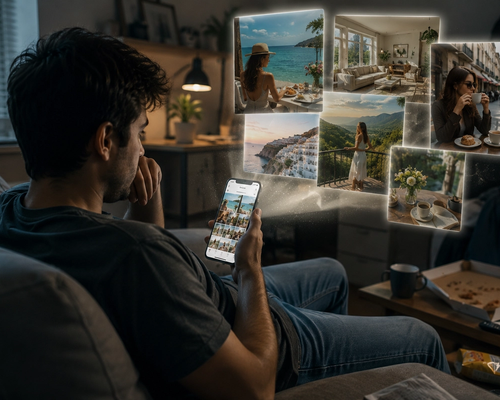
We can now observe hundreds of lives before breakfast.
Someone is getting married. Someone bought a house. Someone is traveling through Japan. Someone launched a business. Someone is running a marathon while you are still deciding whether to get out of bed.
Each post is only a fragment, but collectively they create the impression that everyone is constantly progressing.
Your own life, experienced in real time with all its boring afternoons and unfinished tasks, can seem unusually slow by comparison.
But you are comparing one continuous life with the highlights of hundreds of others.
Of course it feels as though everyone is moving faster.
Efficiency used to belong primarily to workplaces and factories. Now we optimize sleep, exercise, meals, morning routines, hobbies, travel, reading, and even relaxation.
There is always a supposedly better system.
You can listen to books faster, automate household tasks, track your sleep, measure your workouts, organize your habits, and turn Sunday afternoon into preparation for Monday morning.
Some of these tools are genuinely helpful.
But when every part of life becomes something to improve, ordinary existence can begin to feel like an endless performance review.
Not every hour needs to produce something.
Sometimes an inefficient afternoon is exactly what an afternoon should be.
The internet provides an almost unlimited supply of new information.
One video becomes another. One article leads to five tabs. You check a message and somehow find yourself reading about something completely unrelated 20 minutes later.
Each individual interaction is small, which makes it difficult to notice how much attention the sequence consumes.
This constant novelty can make time feel strangely compressed. You were busy, stimulated, and occupied, yet afterward you may struggle to remember what you actually did.
Contrast that with spending an hour cooking, walking, talking to someone, or reading a book. The same amount of time may feel more substantial because your attention stayed with a smaller number of experiences.
You cannot make the wider world slow down.
You can decide that certain parts of your life do not need to move at its speed.
Create boundaries around activities that otherwise expand indefinitely. Stop checking work email after a certain point when your circumstances allow it. Put your phone away during dinner. Read the news once or twice rather than refreshing it throughout the day.
These boundaries do not need to be dramatic.
Their purpose is to create endings.
Without an ending, work can follow you into the evening, social media can fill every pause, and news can occupy the entire day.
Stopping points remind your brain that one thing has finished and another has begun.
Multitasking often creates the sensation of speed without necessarily creating more meaningful progress.
You answer messages during a meeting, listen to a podcast while reading something else, and watch television while scrolling.
Your attention is constantly moving, even when your body is not.
Try occasionally doing one thing.
Eat without looking at your phone. Walk without listening to anything. Finish writing something before checking messages. Watch the film you chose instead of simultaneously searching for another one.
This can initially feel almost unnaturally slow.
That is part of the point.
Some of the best parts of life are stubbornly inefficient.
Relationships take time. Children move according to their own schedules. Skills develop slowly. Good conversations cannot always be compressed. Rest does not become more effective because you hurry through it.
Neither does grief, creativity, recovery, friendship, or figuring out what you actually want.
Trying to force these things into the speed of modern life usually makes them worse.
Protecting time for them may mean deliberately allowing something else to remain unfinished.
There will always be another email.
There will not always be another ordinary evening with the exact people currently sitting around your table.
The world probably will continue getting faster.
Technology will become more immediate. Information will travel more quickly. Convenience will remove even more waiting from everyday life.
The answer is not necessarily resisting all of it.
Use the fast things when speed improves your life. Send the instant message. Take the faster train. Automate the boring task.
Then recognize the moments when speed adds nothing.
Drink the coffee while it is still just coffee. Take the longer walk. Let the conversation continue. Read something slowly enough to remember it.
You may not be able to slow the world down.
But you do not have to let it decide the pace of everything that matters.

Attention rarely feels important while we are giving it away. We glance at a notification during dinner. We half-listen to someone while thinking about what we need to do next. We watch a film while checking our phones, walk through familiar streets without noticing them, and finish entire days unable to remember much of what actually happened.

We have become very good at recognizing lives that look interesting. They involve constant travel, impressive jobs, beautiful homes, busy social calendars, ambitious projects, expensive restaurants, dramatic announcements, and enough photographs to prove all of it happened. Online, an interesting life can start to resemble a continuous highlight reel.
Some people seem to move through the world with a different level of resolution. They notice when someone has changed their hair slightly. They remember the name of the waiter from a restaurant they visited months ago. They spot an unusual building on a street everyone else has walked down a hundred times. They can tell when a friend’s mood has shifted before the friend says anything.

Sometimes you arrive somewhere completely unfamiliar and feel strangely at ease. You do not know the streets. You have no memories attached to the buildings. You may not even speak the language. Yet within a few hours, something about the place feels comfortable. You can imagine having a favorite café there, knowing which market to visit on Saturday, or walking the same route home every evening.
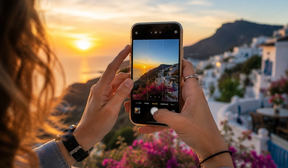
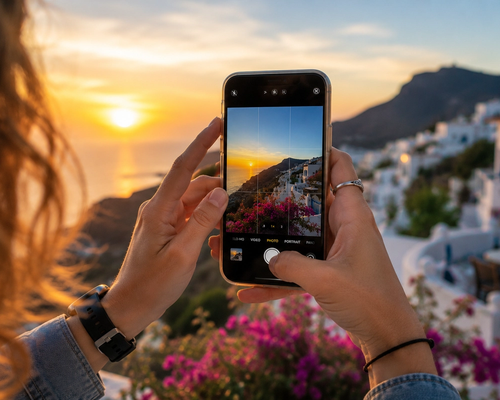
You do not need an expensive camera to take photographs worth keeping. The phone already in your pocket is capable of producing remarkably good images—and, more importantly, it is probably the camera you actually have with you when something worth photographing happens.

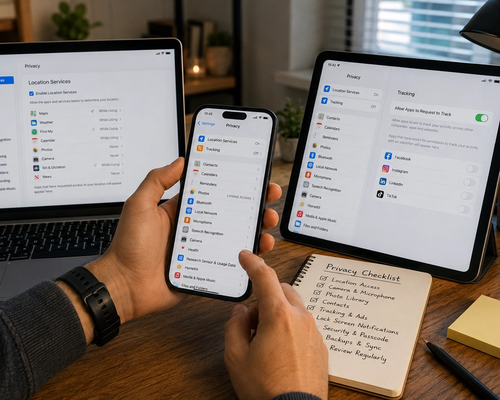
The internet is not something most of us can—or particularly want to—quit. We work online. We make plans through messages. We use maps, banking apps, calendars, news sites, music, podcasts, and group chats. Our phones contain genuinely useful tools alongside the apps that somehow turn five spare minutes into 45.