How to Find the Best Local Food Anywhere You Go
G
Gilbert Ellis
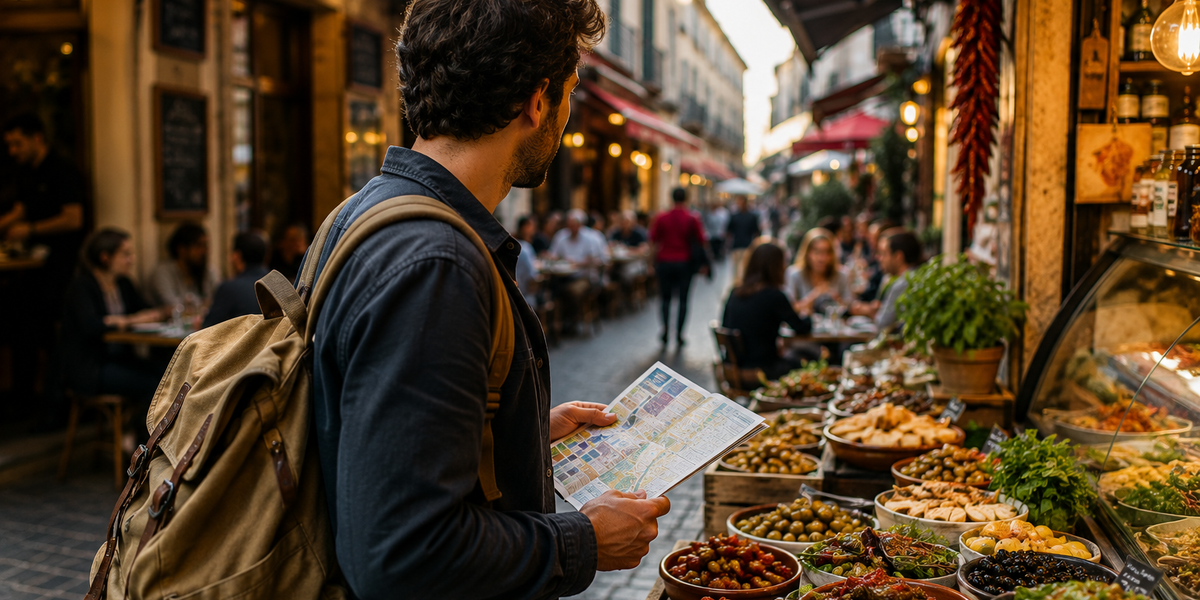

One of the best parts of traveling is eating something you will think about long after you have forgotten the name of the museum you visited that morning.
The problem is finding it.
Search for “best restaurants” in almost any destination and you will get thousands of recommendations: viral social media spots, highly rated restaurants, hotel suggestions, food blogs, and lists that somehow all recommend the same ten places.
Some are excellent. Others are excellent at marketing.
Finding genuinely good local food requires a little more curiosity. You do not need secret connections or a perfectly researched spreadsheet. You simply need to know where—and how—to look.
Before searching for specific restaurants, find out what you should be eating.
Every destination has foods connected to its geography, history, seasons, and communities. Sometimes the specialty is obvious. Other times, the most interesting dishes are things visitors barely know about.
Look beyond a generic list of national dishes. Regional food matters.
What people eat in northern Italy is different from what you will find in Sicily. Food in coastal areas may look completely different from what is typical inland. Even neighboring cities can be fiercely protective of their own specialties.
Make a short list of dishes, ingredients, pastries, drinks, or styles of cooking you want to try.
Then search for places known specifically for those things.
Looking for “best ramen in Tokyo” is usually more useful than searching for “best restaurant in Tokyo.”
“Where should I eat?” is surprisingly difficult to answer.
Ask something narrower.
“Where would you go for lunch with friends?”
“Where can I get really good traditional food that isn’t too formal?”
“Where would you take someone for the best local pastry?”
Specific questions produce better recommendations because they give the person something to work with.
Hotel staff, bartenders, shopkeepers, guides, taxi drivers, and people you meet during the trip can all be useful sources.
But pay attention to how someone responds.
If their face immediately lights up and they start explaining what you need to order, that recommendation is probably worth writing down.
Ratings are useful, but the number alone does not tell you much.
A restaurant with a 4.9 rating is not automatically better than one with a 4.5. The number of reviews, who appears to be leaving them, and what people actually say can matter more.
Read the recent reviews.
Look for repeated comments about specific dishes, service, atmosphere, or value. If dozens of people independently mention the same pasta, dumplings, seafood dish, or pastry, that is useful information.
Also look at photographs uploaded by customers rather than relying only on polished professional images.
You are trying to understand what an ordinary meal there actually looks like.
And remember that review culture varies. In some places, excellent neighborhood restaurants may have surprisingly modest online profiles.
Restaurants beside major attractions serve a useful purpose. They feed enormous numbers of visitors who want something convenient.
But convenience often comes with a trade-off.
Walk ten or fifteen minutes away from the busiest tourist area and the options can change dramatically.
Menus may become smaller. Prices may drop. You may see more people who appear to live or work nearby rather than groups following tour guides.
This is not a universal rule. Some excellent restaurants sit directly beside famous attractions, and some terrible restaurants are hidden down charming side streets.
But moving away from the highest concentration of visitors gives you a wider field to choose from.
A menu that tries to serve everyone can be a warning sign.
Pizza, sushi, burgers, pasta, steak, curry, and pancakes all appearing together might indicate that the restaurant is designed around convenience rather than doing one thing particularly well.
Many memorable food experiences come from places with a narrower focus.
A shop might make one type of sandwich. A bakery may be famous for a particular pastry. A restaurant may have a short menu that changes depending on what is available.
Specialization does not guarantee quality, but it often signals confidence.
If a place has spent decades making essentially the same five dishes, there is a reasonable chance it knows what it is doing.
Great local food does not always come with table service.
Markets can introduce you to ingredients, snacks, cheeses, breads, fruit, street food, and regional products you might never encounter in a restaurant.
Bakeries are particularly useful. Visit in the morning and see what people are buying on their way to work.
Also pay attention to simple lunch spots.
Some of the best meals while traveling happen in places you would never reserve weeks in advance: a crowded noodle shop, tiny sandwich counter, family-run café, or stall with three things on the menu.
Not every meal needs to be an event.
A restaurant being popular on social media does not automatically make it bad.
Sometimes a place becomes famous because it is genuinely excellent.
Equally, a restaurant being unknown to tourists does not automatically make it authentic or good.
Avoid turning food into a competition to discover somewhere nobody else knows about.
Use recommendations as clues rather than instructions.
If a famous place serves something you genuinely want to try, go. If a quiet neighborhood restaurant looks appealing, try that too.
The goal is not to prove you are better at traveling than everyone standing in the popular restaurant’s queue.
The goal is to eat well.
Research can improve a trip, but do not reserve every meal before you arrive.
Some of the best discoveries happen because you walked past somewhere that smelled incredible or noticed a restaurant filled with people at lunchtime.
Leave a few meals unplanned.
Wander. Look at menus. Notice what people are eating. Follow the line coming out of a bakery. Ask someone what they ordered.
You will occasionally choose badly. That is part of traveling too.
But when you find somewhere wonderful by accident, the meal becomes more than food. It becomes a discovery.
And years later, you may not remember its rating, whether it appeared on a “best of” list, or even exactly how you found it.
You will just remember that you would happily travel back for one more plate.

Attention rarely feels important while we are giving it away. We glance at a notification during dinner. We half-listen to someone while thinking about what we need to do next. We watch a film while checking our phones, walk through familiar streets without noticing them, and finish entire days unable to remember much of what actually happened.

We have become very good at recognizing lives that look interesting. They involve constant travel, impressive jobs, beautiful homes, busy social calendars, ambitious projects, expensive restaurants, dramatic announcements, and enough photographs to prove all of it happened. Online, an interesting life can start to resemble a continuous highlight reel.
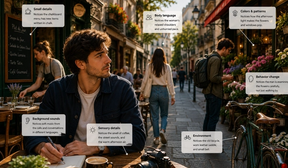
Some people seem to move through the world with a different level of resolution. They notice when someone has changed their hair slightly. They remember the name of the waiter from a restaurant they visited months ago. They spot an unusual building on a street everyone else has walked down a hundred times. They can tell when a friend’s mood has shifted before the friend says anything.
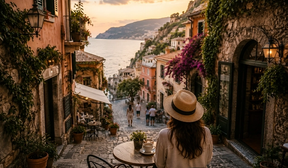
Sometimes you arrive somewhere completely unfamiliar and feel strangely at ease. You do not know the streets. You have no memories attached to the buildings. You may not even speak the language. Yet within a few hours, something about the place feels comfortable. You can imagine having a favorite café there, knowing which market to visit on Saturday, or walking the same route home every evening.
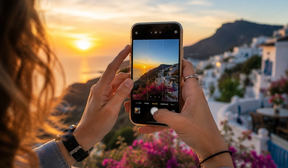
You do not need an expensive camera to take photographs worth keeping. The phone already in your pocket is capable of producing remarkably good images—and, more importantly, it is probably the camera you actually have with you when something worth photographing happens.

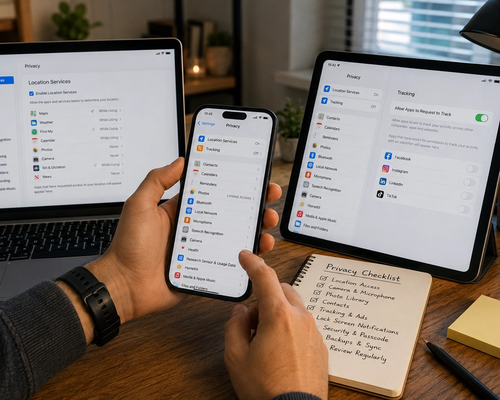
The internet is not something most of us can—or particularly want to—quit. We work online. We make plans through messages. We use maps, banking apps, calendars, news sites, music, podcasts, and group chats. Our phones contain genuinely useful tools alongside the apps that somehow turn five spare minutes into 45.