The Islands Worth the Long Flight
W
Walker York

There is a particular moment during a long-haul journey when even the most enthusiastic traveler starts questioning the entire plan. You have watched three films, slept badly, eaten something mysterious from a tray, and there are still several hours to go.
Then you arrive.
Some islands make the exhausting flight, awkward connection, ferry transfer, or final tiny plane completely worthwhile. They offer landscapes and experiences distinctive enough that getting there becomes part of the adventure rather than simply an inconvenience.
From volcanic islands to tropical archipelagos, these are the places worth spending a little longer in transit to reach.
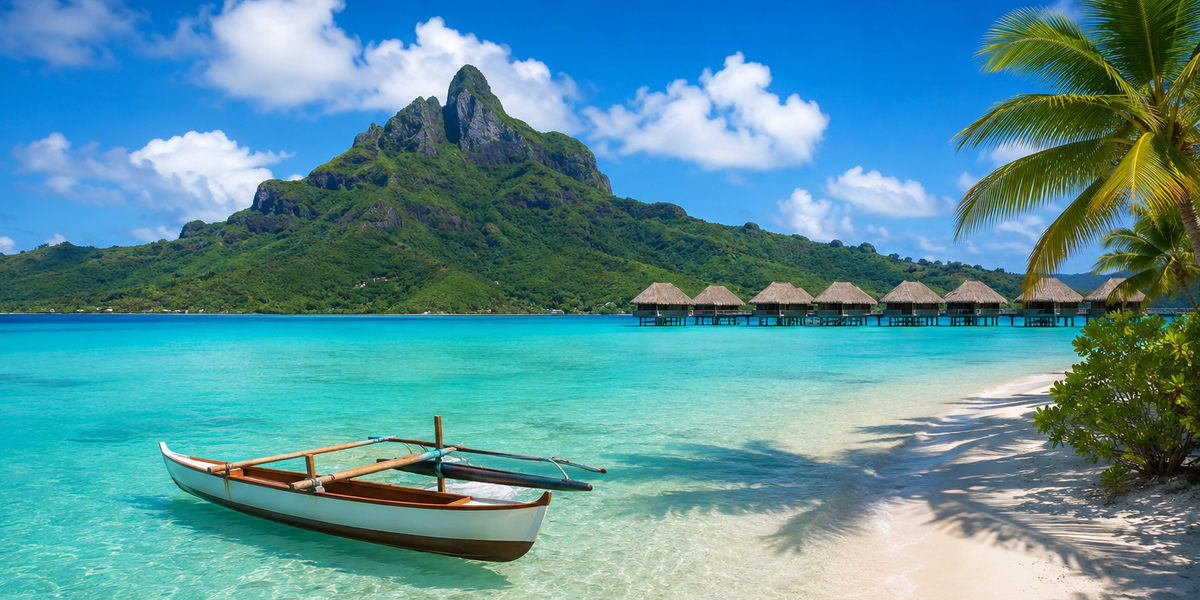
Bora Bora is one of those rare destinations that looks almost exactly as spectacular in person as it does in photographs.
A brilliant blue lagoon surrounds the mountainous island, with smaller islets scattered around its edge. Overwater bungalows have become its signature image, but the lagoon itself is the real attraction.
Days revolve around swimming, snorkeling, boat trips, kayaking, and doing remarkably little.
Getting to French Polynesia can require serious travel time depending on where you start, and Bora Bora usually involves another flight after reaching Tahiti.
This is not a destination to rush. If you are traveling that far, give yourself enough time to adjust, slow down, and appreciate the fact that nowhere else looks quite like it.
The Philippines contains thousands of islands, but Palawan has become synonymous with the country’s extraordinary coastal scenery.
Around El Nido and Coron, limestone cliffs rise dramatically from turquoise water. Lagoons, reefs, beaches, and small islands create the kind of landscape that makes boat trips the main event rather than transportation between attractions.
Some of the most beautiful places require several stages of travel to reach.
That effort pays off when the road ends and the rest of the journey happens by boat.
Spend enough time to explore beyond the busiest stops. Palawan is at its best when you are not trying to squeeze an entire archipelago into three days.
Hawaii is famous enough that calling any of its major islands undiscovered would be absurd.
But Kauai offers something distinctive even within the archipelago.
Known as the Garden Isle, it is defined by green mountains, waterfalls, beaches, canyons, and the dramatic cliffs of the Nā Pali Coast.
Much of the island’s appeal comes from being outside. Hiking, kayaking, swimming, boat trips, and scenic drives fill days easily.
The landscape also encourages a slower itinerary. Weather changes. Roads take time. Some places require permits or advance planning.
Rather than fighting that pace, embrace it.
Kauai is the kind of destination where doing less often means experiencing more.
Mauritius is frequently reduced to the image of a luxury beach resort.
The beaches are certainly part of the appeal, but stopping there misses much of what makes the island worth the journey.
Mauritius combines lagoons and beaches with mountains, waterfalls, forests, villages, markets, and a food culture shaped by African, Indian, Chinese, and European influences.
You can spend one day doing almost nothing beside the ocean and the next hiking, visiting botanical gardens, exploring markets, or driving through the interior.
Renting a car makes it easier to see beyond the resort areas.
For travelers who become restless after several consecutive beach days, Mauritius offers an unusually good balance.
Zanzibar delivers the white sand and turquoise water expected from an Indian Ocean island, but its appeal extends well beyond the beach.
Stone Town is the island’s cultural and historical heart, with narrow streets, carved doors, markets, courtyards, and layers of African, Arab, Indian, and European influence.
Elsewhere, beaches stretch along the coast, each with slightly different conditions and atmospheres.
Tides play an important role in many areas, dramatically changing the shoreline throughout the day.
That rhythm becomes part of the experience.
Combine a few days exploring Stone Town and the island with several slower days by the water rather than treating Zanzibar solely as a resort destination.
The Seychelles often look almost unreal.
Granite boulders sit beside pale sand, dense tropical vegetation reaches toward the coastline, and clear water surrounds the islands.
Mahé is the main arrival point, but traveling between islands reveals different versions of the archipelago.
Praslin offers famous beaches and nature reserves, while La Digue has a slower rhythm and is easily explored by bicycle.
The Seychelles are not a cheap escape, and reaching them can involve significant travel depending on your starting point.
But the landscape is genuinely distinctive.
If your idea of an island vacation involves equal amounts of swimming, walking, and staring at scenery, the journey earns its place.
Sri Lanka is much larger and more varied than the classic small-island getaway.
That is exactly why it deserves a longer trip.
The coastline provides beaches and surf towns, while the interior contains tea country, mountains, historic cities, temples, wildlife reserves, and scenic train routes.
You can wake up near the ocean one week and spend the next surrounded by misty green hills.
Food is another reason to travel slowly. Rice and curry, hoppers, kottu, seafood, sambols, and regional dishes make eating part of the exploration.
Trying to see the entire island quickly can turn the trip into endless transportation.
Choose a few regions and give them time.
Tasmania does not fit the stereotypical image of an island escape.
You are more likely to pack hiking boots and a jacket than spend the entire trip under a palm tree.
The island offers rugged coastlines, mountains, forests, wildlife, beaches, small towns, wineries, and an excellent food scene.
Hobart makes a good starting point, but Tasmania’s real appeal emerges on the road.
National parks and remote landscapes reward travelers who have enough time to drive slowly and stop often.
For anyone traveling from Europe or North America, reaching Tasmania is undeniably a commitment.
But that distance also contributes to the feeling that you have arrived somewhere genuinely far from home.
Long flights are uncomfortable. Connections go wrong. Jet lag can steal the first day. There is nothing inherently romantic about spending 15 hours in an airplane seat.
That is why the destination has to justify the effort.
The islands that do are rarely worth visiting for only a couple of nights. Stay longer. Build in a slow first day. Resist the temptation to immediately fill every morning with excursions.
Part of the pleasure of traveling somewhere far away is realizing that, for a little while, your normal world is genuinely distant.
You crossed oceans to get there.
You might as well put your phone down, stay another day, and let the island feel far away.

Attention rarely feels important while we are giving it away. We glance at a notification during dinner. We half-listen to someone while thinking about what we need to do next. We watch a film while checking our phones, walk through familiar streets without noticing them, and finish entire days unable to remember much of what actually happened.

We have become very good at recognizing lives that look interesting. They involve constant travel, impressive jobs, beautiful homes, busy social calendars, ambitious projects, expensive restaurants, dramatic announcements, and enough photographs to prove all of it happened. Online, an interesting life can start to resemble a continuous highlight reel.
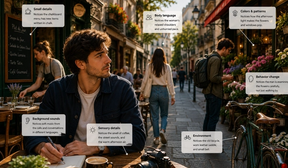
Some people seem to move through the world with a different level of resolution. They notice when someone has changed their hair slightly. They remember the name of the waiter from a restaurant they visited months ago. They spot an unusual building on a street everyone else has walked down a hundred times. They can tell when a friend’s mood has shifted before the friend says anything.
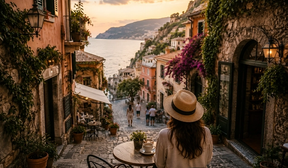
Sometimes you arrive somewhere completely unfamiliar and feel strangely at ease. You do not know the streets. You have no memories attached to the buildings. You may not even speak the language. Yet within a few hours, something about the place feels comfortable. You can imagine having a favorite café there, knowing which market to visit on Saturday, or walking the same route home every evening.
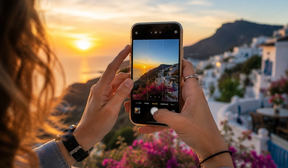
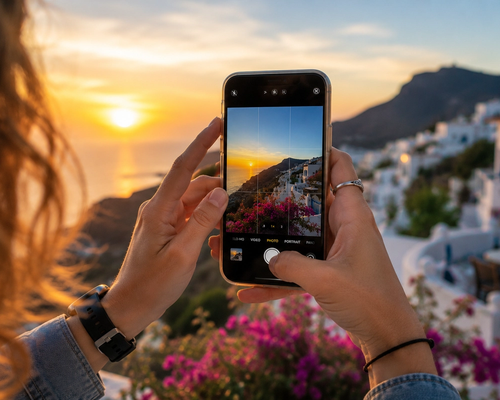
You do not need an expensive camera to take photographs worth keeping. The phone already in your pocket is capable of producing remarkably good images—and, more importantly, it is probably the camera you actually have with you when something worth photographing happens.

The internet is not something most of us can—or particularly want to—quit. We work online. We make plans through messages. We use maps, banking apps, calendars, news sites, music, podcasts, and group chats. Our phones contain genuinely useful tools alongside the apps that somehow turn five spare minutes into 45.