The Travel Habits of People Who Actually Enjoy Every Trip
M
Maggie Garza

Some people return from vacation looking as though they actually had one. Others come home exhausted, with 2,000 photos, sore feet, and the vague feeling that they somehow failed to see enough.
The difference is not always the destination, budget, or length of the trip. Often, it is how they travel.
People who genuinely enjoy traveling tend to resist the urge to turn every trip into a performance of maximum efficiency. They plan enough to avoid unnecessary stress, but leave enough room for surprise. They see things without treating the destination like a checklist.
Most importantly, they remember that the purpose of a trip is not to successfully complete it. It is to experience it.
There is a particular kind of travel itinerary that looks impressive in a spreadsheet and terrible by day three.
Breakfast at 8. Museum at 9. Historic site at 11. Lunch at 12:30. Another museum at 2. Shopping at 4. Dinner reservation at 7. Drinks at 9.
Technically, you have seen everything. You have also spent the entire day checking the time.
Experienced travelers tend to choose a few priorities and build around them. They might plan one major activity in the morning and leave the afternoon relatively open.
That empty space creates room for the things you could not have planned: the neighborhood you unexpectedly love, the café where you want to stay another hour, or the shop you notice while walking somewhere else.
A good itinerary gives a trip structure without turning it into a shift schedule.
You cannot see everything.
Not in Paris. Not in Tokyo. Not during a weekend in a small town.
Trying usually makes the experience worse.
People who enjoy traveling accept that there will always be another museum, restaurant, beach, viewpoint, neighborhood, or landmark they could have visited.
Instead of asking, “Did I see everything?” they focus on whether they enjoyed what they did see.
This mindset makes it much easier to spend two hours over lunch or return to a neighborhood you loved instead of racing across town to tick another attraction off the list.
Missing something does not mean you traveled incorrectly.
Sometimes it means you were actually enjoying where you already were.
Not every place operates according to your normal schedule.
Dinner might happen later. Shops might close in the afternoon. Sundays might be extremely quiet. Public transportation might be excellent—or disappear surprisingly early.
Travel becomes easier when you stop fighting those rhythms.
Notice when locals eat, how people get around, when streets become busy, and when things close. Learn a few basic words in the local language. Understand basic customs before arriving.
You do not need to pretend to be a local. You are not one.
But adapting slightly to how a place works often creates a much more relaxed experience than insisting on reproducing your normal routine somewhere else.
Doing nothing on vacation can feel strangely uncomfortable.
You traveled all this way. Surely you should be doing something.
So you leave the beautiful hotel pool to visit another attraction. You abandon a lovely café because there is a monument 25 minutes away. You wake up early despite being exhausted because sleeping late feels like wasting the trip.
But rest is not wasted travel.
Sometimes the afternoon spent reading beside the pool becomes more memorable than the fourth museum. Sometimes sitting in a square watching people go by tells you more about a city than rushing through another attraction.
People who enjoy trips give themselves permission to stop.
Photos are wonderful. They preserve moments that would otherwise become blurry with time.
But there is a point at which documenting an experience starts replacing the experience itself.
You reach a beautiful viewpoint and immediately begin thinking about angles. Dinner arrives and everyone waits while somebody photographs the table. You watch a concert through your phone because you are recording it.
Take the picture.
Then put the phone away.
You do not need 47 nearly identical photographs of the same sunset to prove it happened.
Some memories are allowed to exist only in your head.
Travel almost guarantees minor disasters.
A restaurant is closed. It rains. The train is late. The hotel room looks smaller than the photos. Someone forgets something. You take the wrong bus.
People who enjoy traveling are not immune to frustration. They simply do not allow every inconvenience to become the defining story of the day.
They adjust.
The closed restaurant becomes somewhere else for dinner. The rainy afternoon becomes a museum day. The wrong street sometimes leads somewhere interesting.
Not every travel problem needs a positive spin. Some things are simply annoying.
But there is a difference between having a bad 20 minutes and declaring the entire day ruined.
A great trip does not require spending extravagantly on everything.
It helps to know where spending actually improves your experience.
Maybe you care deeply about food and happily stay in a simpler hotel so you can eat somewhere special. Perhaps a central hotel is worth paying more for because you hate long commutes. Maybe you would rather skip expensive restaurants and spend the money on a boat trip.
The best travel budget is rarely about choosing the cheapest option every time.
It is about spending more where you will notice the difference and saving where you will not.
When people talk about trips afterward, the memories that survive are often surprisingly small.
The breakfast place around the corner. A conversation with a taxi driver. The ridiculous thing that happened while trying to find the hotel. Sitting on a balcony after everyone else had gone to sleep.
These moments rarely appear on a list of the “10 Things You Must Do.”
Yet they are often what makes one trip feel different from another.
People who genuinely enjoy traveling are good at noticing those moments while they are happening.
They plan the museums, restaurants, beaches, and landmarks. But they also leave enough space for a destination to surprise them.
Because the best trip is not necessarily the one where you saw the most.
It is the one you occasionally wished would slow down.

Attention rarely feels important while we are giving it away. We glance at a notification during dinner. We half-listen to someone while thinking about what we need to do next. We watch a film while checking our phones, walk through familiar streets without noticing them, and finish entire days unable to remember much of what actually happened.
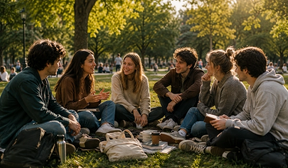
We have become very good at recognizing lives that look interesting. They involve constant travel, impressive jobs, beautiful homes, busy social calendars, ambitious projects, expensive restaurants, dramatic announcements, and enough photographs to prove all of it happened. Online, an interesting life can start to resemble a continuous highlight reel.
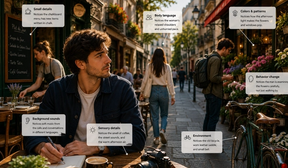
Some people seem to move through the world with a different level of resolution. They notice when someone has changed their hair slightly. They remember the name of the waiter from a restaurant they visited months ago. They spot an unusual building on a street everyone else has walked down a hundred times. They can tell when a friend’s mood has shifted before the friend says anything.
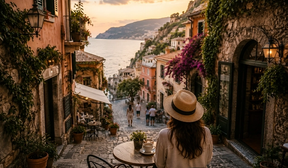
Sometimes you arrive somewhere completely unfamiliar and feel strangely at ease. You do not know the streets. You have no memories attached to the buildings. You may not even speak the language. Yet within a few hours, something about the place feels comfortable. You can imagine having a favorite café there, knowing which market to visit on Saturday, or walking the same route home every evening.
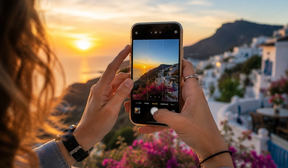
You do not need an expensive camera to take photographs worth keeping. The phone already in your pocket is capable of producing remarkably good images—and, more importantly, it is probably the camera you actually have with you when something worth photographing happens.

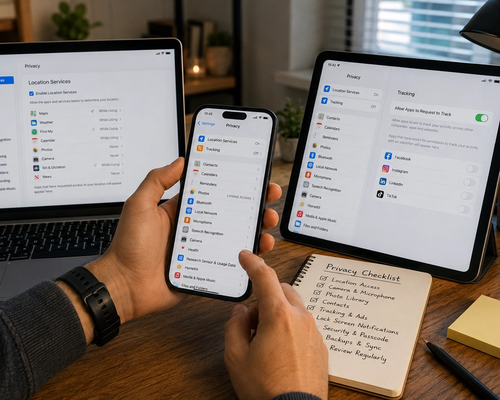
The internet is not something most of us can—or particularly want to—quit. We work online. We make plans through messages. We use maps, banking apps, calendars, news sites, music, podcasts, and group chats. Our phones contain genuinely useful tools alongside the apps that somehow turn five spare minutes into 45.