The Underrated Beach Destinations Most People Miss
A
Allan Combs
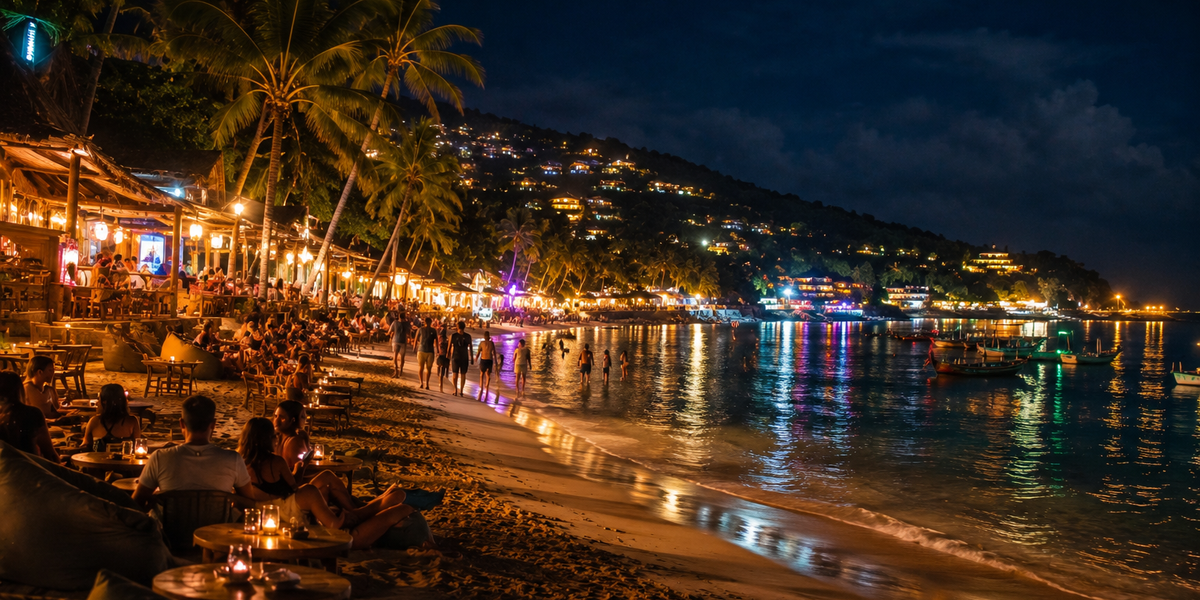

Mention a beach vacation and the same destinations tend to appear: the Greek islands, the Maldives, Bali, the Amalfi Coast, the Caribbean.
They are popular for good reason. They are also not the only places with clear water, beautiful coastlines, long stretches of sand, and the kind of afternoons where doing absolutely nothing feels like a legitimate plan.
Some of the best beach trips happen slightly outside the obvious choices. These destinations may require an extra drive, ferry, or flight connection, but the reward can be fewer crowds, lower-key towns, and beaches that have not become the backdrop for everybody else’s vacation photos.
If you are willing to look beyond the usual names, these coastal destinations deserve a place on the list.
Albania’s southern coastline has become increasingly popular, but it still receives far less international attention than neighboring Greece.
Ksamil is known for small islands, turquoise water, and beaches that can look almost tropical on a sunny day. It is also close to Butrint, making it easy to combine beach time with one of Albania’s most significant archaeological sites.
During peak summer, Ksamil itself can get extremely busy, so travelers looking for something quieter should explore more of the Riviera.
Himarë, Borsh, Qeparo, and the beaches between coastal towns offer a more relaxed alternative.
The real appeal is variety: swim in the morning, eat seafood beside the water, drive through mountain scenery, and explore old villages in the same trip.
Mallorca and Ibiza receive most of the attention in Spain’s Balearic Islands, leaving Menorca as their quieter sibling.
That is exactly why many travelers love it.
The island is dotted with calas—small coves where clear Mediterranean water meets rocky cliffs, pine trees, or pale sand. Some are accessible by car, while others require a walk, making the arrival feel like part of the experience.
Menorca also suits travelers who want more than a resort vacation.
Historic Ciutadella is ideal for evening walks and long dinners, while the island’s coastal paths offer plenty of opportunities for hiking.
It feels slower than Ibiza and less developed than parts of Mallorca, without sacrificing the Mediterranean beaches people come for.
Portugal’s Algarve is internationally famous. Travel farther north along the coast and the atmosphere changes.
The Alentejo coastline is wilder and less polished, with broad beaches, dramatic cliffs, dunes, and small towns scattered along the Atlantic.
Places such as Vila Nova de Milfontes and Porto Covo make good bases for exploring the region.
The water can be cooler and rougher than the Mediterranean, so this is not necessarily the destination for someone dreaming exclusively of warm, perfectly calm swimming.
But for long beach walks, surfing, seafood, sunsets, and dramatic scenery, it is difficult to beat.
The relative lack of enormous resort developments also gives parts of the coast a pleasantly unhurried feel.
Calling any Greek island underrated is becoming increasingly difficult, but Naxos still tends to sit behind Santorini and Mykonos on first-time itineraries.
For a beach-focused trip, that can be an advantage.
Naxos has long sandy beaches, clear water, mountain villages, excellent food, and enough space that the island does not feel entirely built around one famous view.
Agios Prokopios, Agia Anna, and Plaka are among its best-known beaches, while exploring farther around the island reveals quieter stretches of coastline.
Naxos also works particularly well if you want your beach vacation to include actual exploration.
Rent a car, visit inland villages, eat local cheese and potatoes, stop at ancient sites, and return to the coast for a late swim.
Türkiye has no shortage of famous coastal destinations, particularly around Antalya, Bodrum, and Fethiye.
Bozcaada offers something different.
This small Aegean island sits near the entrance to the Dardanelles and combines beaches with vineyards, stone streets, tavernas, and a relaxed town centered around its harbor and castle.
The island is compact enough that you can spend mornings exploring beaches and evenings walking to dinner.
Bozcaada is especially appealing for travelers who prefer independent hotels and local restaurants to enormous all-inclusive resorts.
It is well known among Turkish travelers, but remains considerably less prominent on many international beach itineraries.
Croatia’s coastline is hardly undiscovered, but the island of Vis feels removed from the busiest parts of the country’s tourism circuit.
Its distance from the mainland helped keep development relatively restrained compared with some easier-to-reach islands.
The result is a destination built around coves, clear Adriatic water, stone villages, seafood, and slow evenings.
Stiniva is the island’s most recognizable beach, but there are plenty of other places to swim around the coastline.
Vis Town and Komiža both make atmospheric bases, and boat trips provide access to surrounding caves and smaller islands.
The ferry journey requires a little more effort, but that extra distance is part of what makes Vis appealing.
The Algarve can become extremely busy in summer, yet quieter corners still exist.
Ilha de Tavira sits within the Ria Formosa Natural Park and is reached by boat from the area around Tavira.
Instead of towering cliffs, the island offers long stretches of sandy beach, dunes, and plenty of room to spread out.
Nearby Tavira is worth staying in rather than simply passing through. Its whitewashed buildings, riverfront, churches, and relaxed restaurants provide a different atmosphere from some of the Algarve’s larger resort towns.
This is a good choice for travelers who want uncomplicated beach days paired with a town that still feels enjoyable after sunset.
If your ideal beach vacation involves nature as much as sand, Mljet deserves attention.
Much of this Croatian island is covered in forest, while Mljet National Park contains saltwater lakes surrounded by walking and cycling routes.
The coastline offers small swimming spots, coves, and intensely clear water rather than endless rows of developed beach clubs.
That makes Mljet particularly suited to travelers who prefer active mornings and quiet afternoons.
You can cycle, kayak, hike, swim, and then find somewhere for a long seafood dinner.
It is not the destination for nonstop nightlife.
That is precisely the appeal.
The world’s most famous beaches are famous for a reason. There is no need to avoid them simply because other people want to visit too.
But popularity changes places.
When every stretch of sand is surrounded by beach clubs, reservations, traffic, and crowds, the relaxing beach vacation you imagined can start requiring an impressive amount of organization.
Looking slightly farther away often changes the experience.
Take the extra ferry. Drive another hour along the coast. Choose the island whose name everyone does not immediately recognize.
You may give up a few famous restaurants and perfectly curated beach clubs.
In return, you might find an empty stretch of sand, a table by the water that does not require booking weeks ahead, and the increasingly rare luxury of deciding what to do only after you wake up.
Sometimes the best beach destination is simply the one everyone else has not reached yet.

Attention rarely feels important while we are giving it away. We glance at a notification during dinner. We half-listen to someone while thinking about what we need to do next. We watch a film while checking our phones, walk through familiar streets without noticing them, and finish entire days unable to remember much of what actually happened.

We have become very good at recognizing lives that look interesting. They involve constant travel, impressive jobs, beautiful homes, busy social calendars, ambitious projects, expensive restaurants, dramatic announcements, and enough photographs to prove all of it happened. Online, an interesting life can start to resemble a continuous highlight reel.
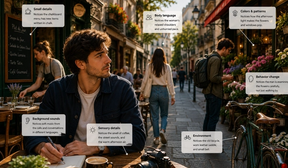
Some people seem to move through the world with a different level of resolution. They notice when someone has changed their hair slightly. They remember the name of the waiter from a restaurant they visited months ago. They spot an unusual building on a street everyone else has walked down a hundred times. They can tell when a friend’s mood has shifted before the friend says anything.
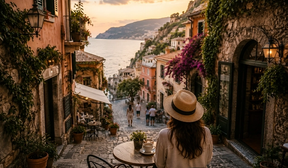
Sometimes you arrive somewhere completely unfamiliar and feel strangely at ease. You do not know the streets. You have no memories attached to the buildings. You may not even speak the language. Yet within a few hours, something about the place feels comfortable. You can imagine having a favorite café there, knowing which market to visit on Saturday, or walking the same route home every evening.
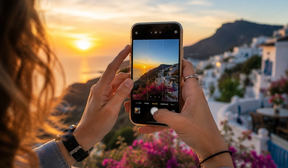
You do not need an expensive camera to take photographs worth keeping. The phone already in your pocket is capable of producing remarkably good images—and, more importantly, it is probably the camera you actually have with you when something worth photographing happens.

The internet is not something most of us can—or particularly want to—quit. We work online. We make plans through messages. We use maps, banking apps, calendars, news sites, music, podcasts, and group chats. Our phones contain genuinely useful tools alongside the apps that somehow turn five spare minutes into 45.