Why the Slow Things Are Quietly Winning
W
Walker York
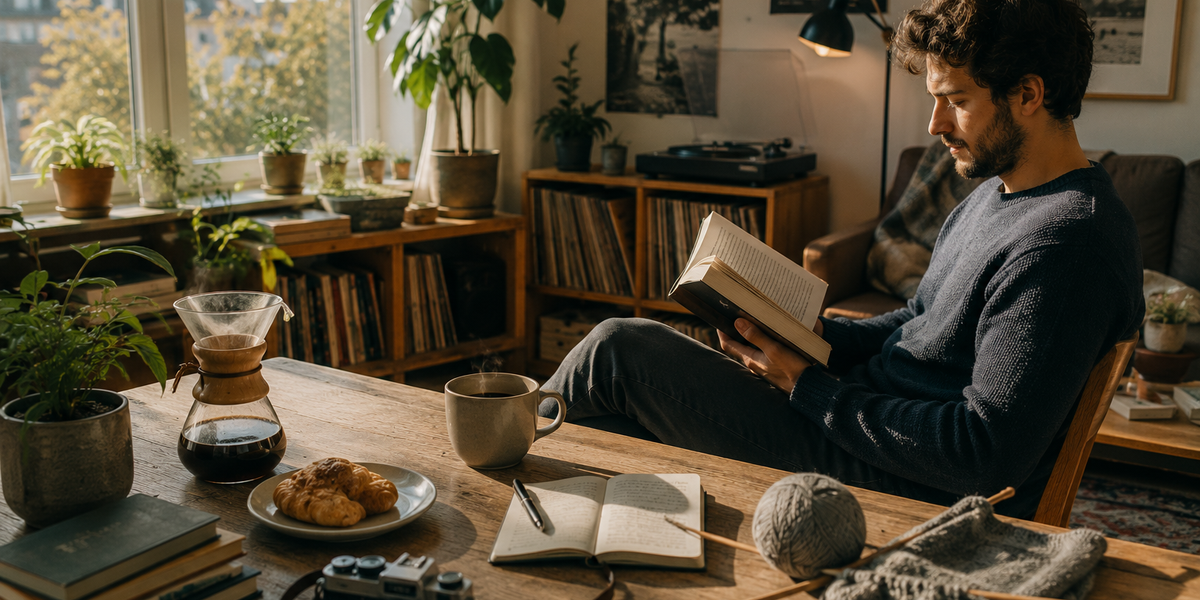

For years, faster seemed automatically better.
Faster delivery. Faster entertainment. Faster communication. Faster meals. Faster answers. If something could be done in ten minutes instead of an hour, the assumption was that we had improved it.
And in many cases, we had. Nobody needs to feel nostalgic for waiting three weeks for a bank transfer or spending an afternoon trying to find information that now takes seconds to locate.
But somewhere in all that acceleration, slow things started becoming desirable again.
People are buying physical books, baking bread, taking long walks, collecting records, knitting, gardening, writing by hand, and traveling by train when flying would be quicker. Restaurants advertise long lunches. Hotels sell digital detoxes. Even doing absolutely nothing has acquired the slightly luxurious label of “slow living.”
It may look like nostalgia. But something more interesting is happening. In a world where speed is ordinary, slowness has started to offer something speed cannot.
Convenience used to feel magical.
Having dinner arrive at your door, accessing thousands of films instantly, or buying something without leaving your sofa genuinely changed daily life.
Now those experiences are normal.
When everything becomes available immediately, convenience stops being exciting and becomes the baseline. We begin noticing what gets lost in the process.
Ordering dinner is efficient, but cooking can be satisfying. Streaming any song instantly is extraordinary, but putting on a record creates a different kind of listening experience. Sending a quick message is useful, but receiving a handwritten note feels unusually personal.
The slower option often contains something the convenient one removes: anticipation, participation, ritual, or effort.
And once convenience is everywhere, those qualities become more valuable.
Many modern experiences are designed to be interrupted.
You watch a show while checking messages. You listen to a podcast while answering emails. You eat while scrolling. You open one article and somehow end up with twelve tabs.
Slow activities tend to resist that fragmentation.
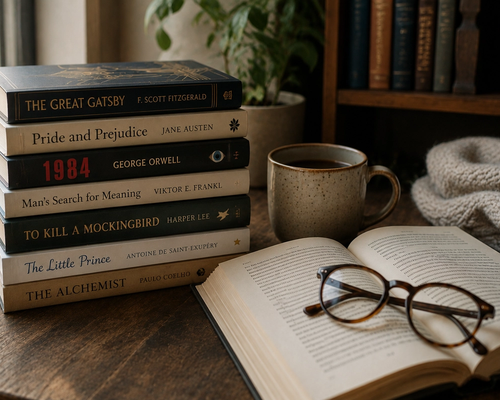
Reading a physical book asks you to stay with one thing. Gardening requires attention to what is directly in front of you. Cooking a meal from scratch forces you through a sequence that cannot always be skipped.
This does not make slow activities morally superior. Sometimes you need dinner in 15 minutes, and sometimes an audiobook at double speed is exactly what gets you through a commute.
But there is a particular satisfaction in doing one thing without simultaneously trying to do three others.
Increasingly, that feels rare.
Anticipation used to be built into many forms of entertainment and consumption.
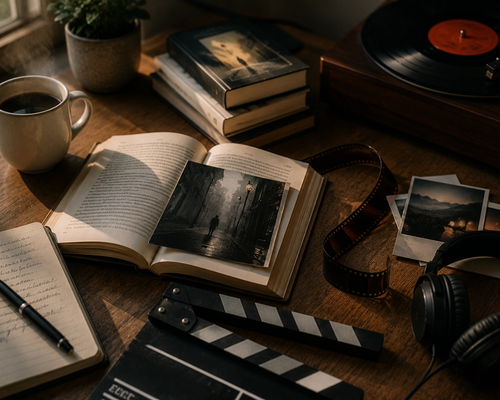
You waited for photographs to be developed. You waited for the next episode of a television series. You waited for a letter, a package, or a new album.
Waiting could certainly be annoying. But it also created anticipation.
When everything is instantly accessible, that emotional build-up disappears. You can watch an entire television series in a weekend and barely remember individual episodes a month later.
Slower experiences create natural pauses.
A trip you have planned for six months has time to exist in your imagination before you take it. A meal that takes hours to prepare feels different from something reheated in minutes. A book read over several weeks has more opportunities to follow you into everyday life.
Sometimes waiting becomes part of the pleasure.
There is very little practical reason to knit a scarf if your only goal is acquiring a scarf.
You can buy one faster, probably cheaper, and almost certainly with fewer mistakes.
The value is in making it.
The same applies to baking bread, growing tomatoes, restoring furniture, painting, sewing, pottery, or countless other slow hobbies. Their inefficiency is not a flaw. It is part of the experience.
You spend time developing a skill. You make mistakes. You improve. Eventually, you have something that carries evidence of the hours you spent creating it.
In a culture where almost anything can be purchased with a few taps, making something yourself can feel surprisingly grounding.
Efficiency removes unnecessary steps. Rituals often depend on them.
Grinding coffee beans takes longer than pressing a button. Browsing a bookstore is less efficient than searching for a title online. Setting a table is unnecessary if you could simply eat standing at the kitchen counter.
Yet those extra steps can change how an experience feels.
They mark a transition.
Morning coffee becomes a beginning to the day. Sunday lunch becomes an occasion. Reading before bed becomes a signal that the day is ending.
Rituals give ordinary life structure without requiring anything extraordinary to happen.
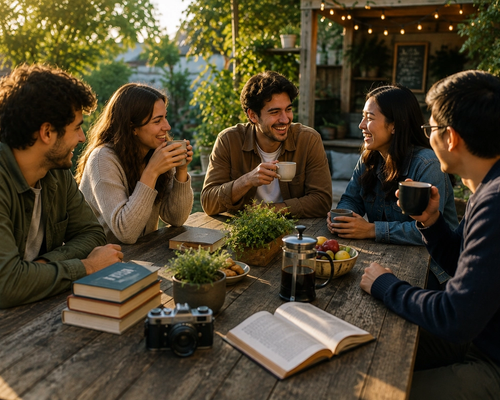
That may be part of why slow living has become attractive. It turns mundane activities into experiences rather than tasks to complete as quickly as possible.
For much of history, convenience was the luxury. Now, in certain contexts, time itself has become the scarce resource.
A two-hour lunch feels indulgent because nobody is rushing away. Cooking all afternoon feels luxurious because you have an afternoon available to cook. Walking somewhere instead of driving suggests that arriving quickly is not your only priority.
Of course, not everyone has equal access to time. Long work hours, caregiving responsibilities, financial pressure, and unpredictable schedules can make “slow living” far easier to admire than practice.
That distinction matters.
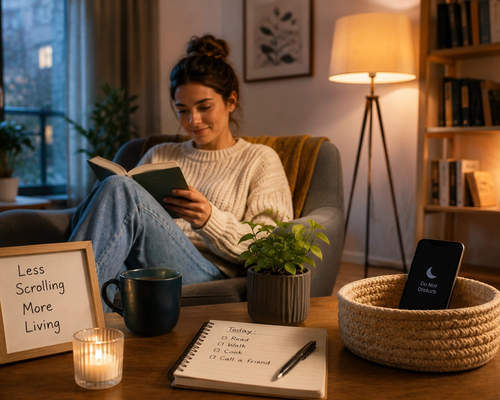
But slowness does not always require an entire free afternoon. It can be ten minutes drinking coffee without a screen or walking somewhere without treating the walk as wasted time.
Modern life encourages us to optimize almost everything.
Sleep better. Exercise efficiently. Work smarter. Read faster. Meal prep. Track habits. Automate tasks.
Optimization is useful when something genuinely needs improving. But applying it to every corner of life can make living feel suspiciously like managing a company.
Some things are worth doing inefficiently.
Take the scenic route. Cook something unnecessarily complicated. Read the long version. Sit at the table after dinner. Spend an afternoon on a hobby you will never monetize.
The slow things are not winning because speed stopped being useful.
They are winning because we finally have enough speed to understand what it cannot give us.
Sometimes the best part of an experience is precisely that it cannot be rushed.

Attention rarely feels important while we are giving it away. We glance at a notification during dinner. We half-listen to someone while thinking about what we need to do next. We watch a film while checking our phones, walk through familiar streets without noticing them, and finish entire days unable to remember much of what actually happened.
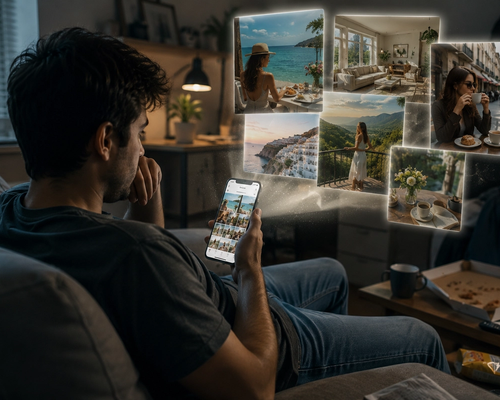
We have become very good at recognizing lives that look interesting. They involve constant travel, impressive jobs, beautiful homes, busy social calendars, ambitious projects, expensive restaurants, dramatic announcements, and enough photographs to prove all of it happened. Online, an interesting life can start to resemble a continuous highlight reel.
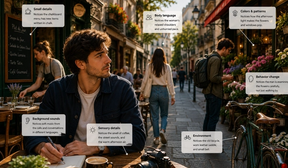
Some people seem to move through the world with a different level of resolution. They notice when someone has changed their hair slightly. They remember the name of the waiter from a restaurant they visited months ago. They spot an unusual building on a street everyone else has walked down a hundred times. They can tell when a friend’s mood has shifted before the friend says anything.
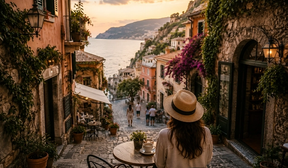
Sometimes you arrive somewhere completely unfamiliar and feel strangely at ease. You do not know the streets. You have no memories attached to the buildings. You may not even speak the language. Yet within a few hours, something about the place feels comfortable. You can imagine having a favorite café there, knowing which market to visit on Saturday, or walking the same route home every evening.
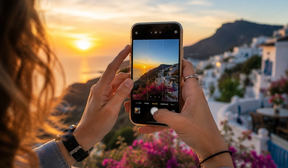
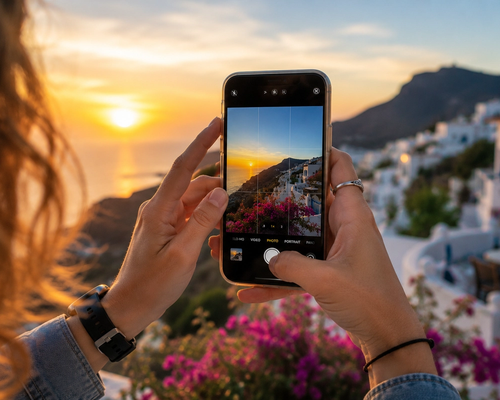
You do not need an expensive camera to take photographs worth keeping. The phone already in your pocket is capable of producing remarkably good images—and, more importantly, it is probably the camera you actually have with you when something worth photographing happens.
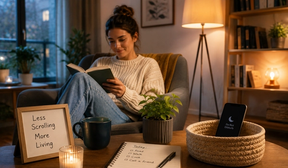
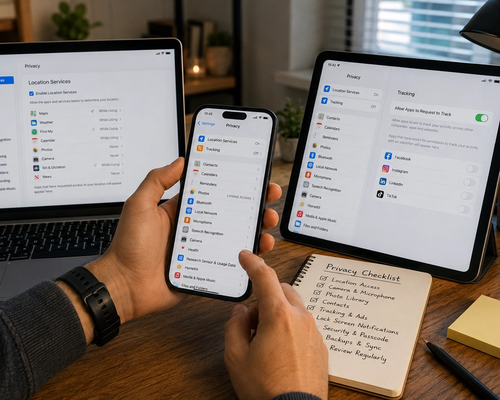
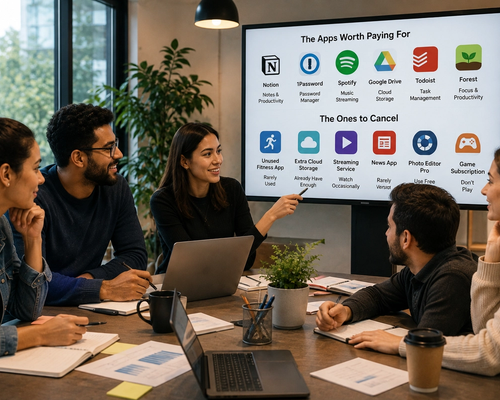
The internet is not something most of us can—or particularly want to—quit. We work online. We make plans through messages. We use maps, banking apps, calendars, news sites, music, podcasts, and group chats. Our phones contain genuinely useful tools alongside the apps that somehow turn five spare minutes into 45.