

Culture
The Books Worth Reading Twice


There is probably a better way to do almost everything. You can optimize your morning routine, track your sleep, improve your workouts, automate your finances, batch your cooking, organize your inbox, measure your productivity, and listen to books at twice the speed. There are apps, systems, experts, and entire industries dedicated to helping you squeeze slightly more value from every hour.
Some people seem to move through the world with a different level of resolution. They notice when someone has changed their hair slightly. They remember the name of the waiter from a restaurant they visited months ago. They spot an unusual building on a street everyone else has walked down a hundred times. They can tell when a friend’s mood has shifted before the friend says anything.

Sometimes you arrive somewhere completely unfamiliar and feel strangely at ease. You do not know the streets. You have no memories attached to the buildings. You may not even speak the language. Yet within a few hours, something about the place feels comfortable. You can imagine having a favorite café there, knowing which market to visit on Saturday, or walking the same route home every evening.
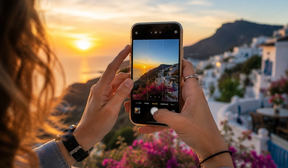
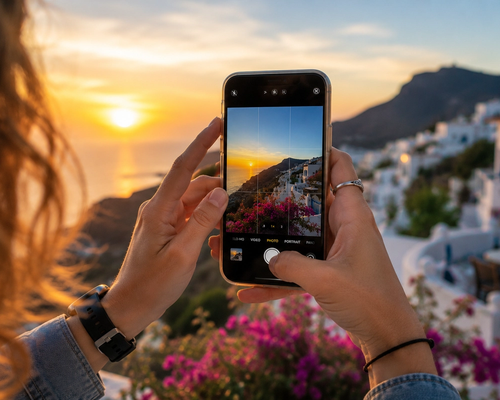
You do not need an expensive camera to take photographs worth keeping. The phone already in your pocket is capable of producing remarkably good images—and, more importantly, it is probably the camera you actually have with you when something worth photographing happens.
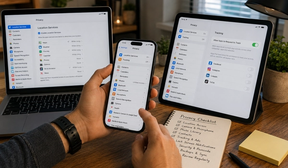
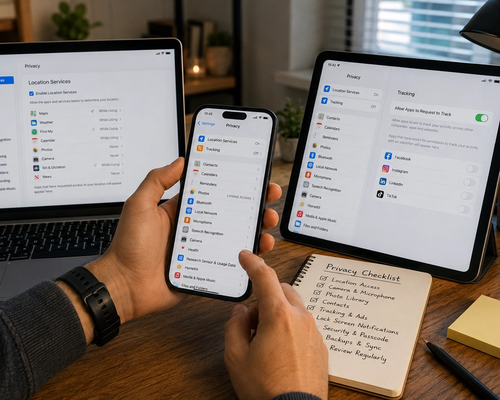
Most of us spend far more time setting up the appearance of a new device than checking its privacy settings. We choose the wallpaper, download our favorite apps, sign into everything, and start using it. Meanwhile, dozens of permissions may quietly determine which apps can access our location, microphone, camera, contacts, photos, and other information.

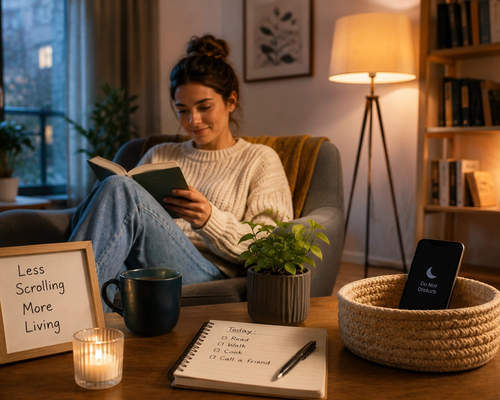
The internet is not something most of us can—or particularly want to—quit. We work online. We make plans through messages. We use maps, banking apps, calendars, news sites, music, podcasts, and group chats. Our phones contain genuinely useful tools alongside the apps that somehow turn five spare minutes into 45.

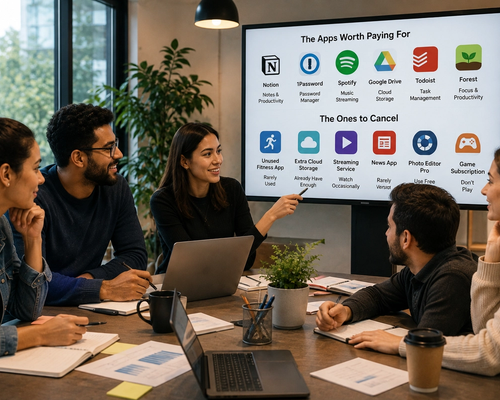
Subscriptions have made spending money strangely invisible. A few dollars for extra cloud storage. Another monthly fee for music. A premium productivity app. A streaming service you joined for one show. Before long, your bank statement contains a small collection of recurring charges for apps you barely remember subscribing to.
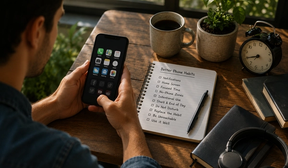
Your phone is probably one of the most useful things you own. It is your camera, map, calendar, music player, bank, notebook, alarm clock, weather forecast, communication hub, and occasionally the device you use to actually make a phone call.